


Blue eyes are naturally striking. However, without the right makeup techniques, they can sometimes look flat or one-dimensional. The good news is that a few clever tricks can make blue eyes appear deeper, more dramatic, and beautifully dimensional. This guide walks you through everything you need to know about creating a depth illusion with makeup specifically designed for blue eyes.
Why Depth Illusion Matters for Blue Eyes
Blue eyes reflect light differently than darker eye colors. Because of this, they can sometimes appear washed out or less defined, especially in photos. Creating depth is all about using contrast, shadow, and highlight in the right places.
Additionally, blue is a cool tone. Therefore, the shades you choose need to work with that coolness rather than against it. When you understand the structure of your eye and how colors interact, creating a stunning look becomes much easier.
Understanding Your Eye Shape First
Before you reach for any product, take a moment to study your eye shape. Are your eyes deep-set, hooded, almond-shaped, or round? Each shape benefits from a slightly different approach.
For example, deep-set eyes already have natural shadow in the socket area. Therefore, you should focus more on adding highlight to bring the brow bone and lid forward. Round eyes, on the other hand, benefit from elongating techniques at the outer corners.
However, regardless of your eye shape, the core principles of creating depth remain the same. Dark shades recede. Light shades advance. You can use this simple rule to sculpt and define any eye shape.
Choosing the Right Eyeshadow Colors for Blue Eyes
Color selection is perhaps the most important step. The right shades will make blue eyes pop while adding layers of depth.
Warm and Earthy Tones
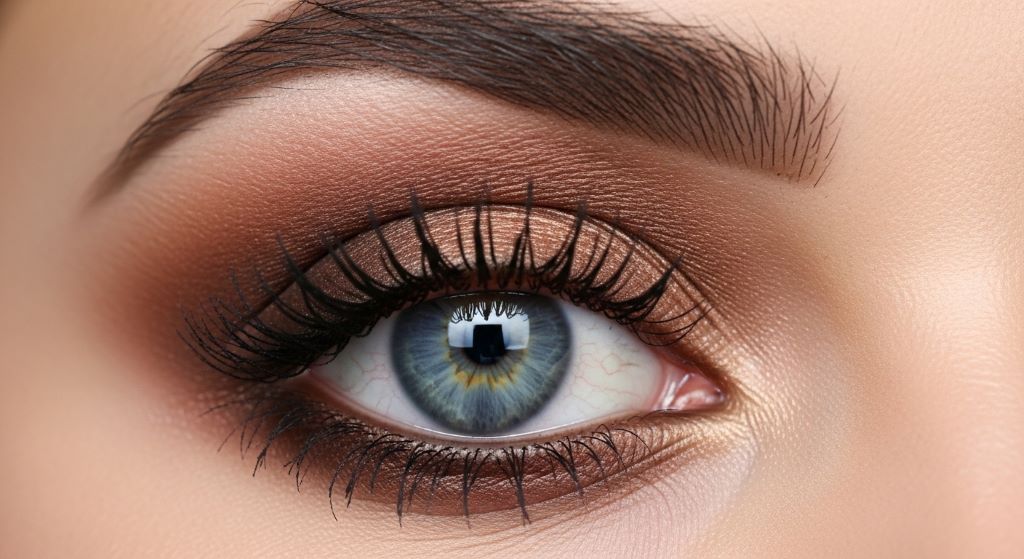
Warm shades like copper, bronze, terracotta, and burnt orange create a striking contrast against blue irises. This contrast is what gives the illusion of depth. When warm tones sit against cool blue, both colors appear more intense and vivid.
Try layering a light champagne shade on the inner corner and lid, a medium bronze in the crease, and a deep copper or rust at the outer corner. This gradient creates dimension without looking heavy.
Purple and Mauve Shades
Purples and mauves are excellent choices for blue eyes. These shades share similar cool undertones, so they complement rather than clash. Additionally, deeper plum and eggplant shades add serious drama when used in the outer corner and lower lash line.
For a softer daytime look, a dusty rose or muted mauve across the lid pairs beautifully with a deeper violet in the crease.
Neutral Taupe and Brown
Neutral shades are the workhorses of any eye look. A medium taupe in the crease and a deep espresso or dark brown in the outer V create natural-looking depth. These shades work for any occasion and are especially flattering for everyday wear.
However, avoid using pure grey or ash tones as your deepest shade. These can make blue eyes look dull rather than adding depth.
Shades to Approach with Caution
Very pale blue eyeshadow can blend your eyes into the background rather than highlighting them. Similarly, cool-toned silvers used alone can flatten the look. Therefore, if you use silver, pair it with a warm or dark contrasting shade to prevent this effect.
The Art of Blending for a Dimensional Look
The secret to depth illusion lies almost entirely in blending. Harsh lines create a flat, painted look. Soft, seamless transitions create the illusion of shadow and light, which translates to dimension.
The Cut Crease Technique
A cut crease is one of the most effective ways to add instant depth. It involves applying a sharp line of dark shadow right above the natural crease, then blending upward. This technique creates a clear separation between the lid and the brow bone.
For blue eyes, use a medium brown to map out the crease first. Then deepen it with a darker shade. Finally, add a bright or shimmery shade on the lid below the cut. The contrast between the two zones immediately makes the eyes look deeper and more sculpted.
The Halo Eye Technique
The halo eye places the darkest shades at the inner and outer corners, with a bright or shimmery shade in the center of the lid. This creates a rounded, dimensional effect that makes eyes appear larger and more open.
This technique works wonderfully for blue eyes because you can use deep navy or forest green at the corners while keeping the center bright. The color variation adds depth and draws the eye to the iris.
Blending Upward and Outward
Always blend your crease color upward and slightly outward. This lifts the eye visually. Additionally, using circular motions with a fluffy blending brush ensures there are no harsh edges.
Using Liner to Define and Deepen
Eyeliner is a powerful tool for creating depth. However, the way you apply it matters a great deal.
Dark Liner on the Upper Lash Line
A thin line of dark brown or black liner along the upper lash line immediately defines the eye and makes lashes appear thicker. The darkness at the lash line creates a natural shadow that frames the eye and adds depth.
For an even deeper effect, tightline the upper waterline with a dark pencil or gel liner. This fills in the space between the lashes, making the lash line look denser without looking heavy.
Smudged Lower Liner
A smudged liner along the lower lash line adds drama and depth. Use a dark brown or plum pencil and gently smudge it inward with a small brush. This creates a smoky, dimensional effect along the bottom of the eye.
However, avoid using a harsh black line on the lower waterline if you want your eyes to appear larger. This can actually make eyes look smaller and more closed.
Colored Liner as an Accent
For blue eyes, a navy blue liner used on the upper lash line intensifies the blue of the iris. It creates a tonal depth that looks both natural and striking. A deep teal or forest green liner also works beautifully as an accent shade.
Highlighting Strategically
Highlight is just as important as shadow when creating depth. Without it, the eye can look heavy and sunken rather than dimensional.
Apply a light, shimmery shade or a matte highlight to these key areas:
- The inner corner of the eye, to brighten and open
- The center of the lid, to catch the light and add a focal point
- The brow bone just beneath the arch, to lift and define
- The inner third of the lower lash line, to add a fresh and awake look
These points of light create contrast against the darker areas, and that contrast is what the brain reads as dimension and depth.
Mascara and Lashes for Added Depth
Lashes play a supporting but important role in the overall depth effect. Thick, curled lashes frame the eye and create a natural shadow above the lid.
Apply two coats of volumizing mascara on the upper lashes. Focus extra product at the roots, where darkness adds the most depth. For the lower lashes, use a thin coat of lengthening mascara to define without overwhelming.
Additionally, curling your lashes before applying mascara opens the eye significantly. This enhances the contrast between the highlighted lid and the darker lash line.
Eyebrow Shaping to Frame the Look
Well-groomed brows frame the eyes and complete the depth illusion. For blue eyes, a slightly defined brow with a clear arch draws attention to the eye area and creates structure.
Fill in sparse areas with a brow pencil or powder that matches your natural hair color. Avoid going too dark, as this can look harsh. A soft, natural brow shape directs the focus downward to the eyes where your depth work lives.
Setting Your Look for Long-Lasting Depth
After completing your eye look, set everything with a fine translucent setting powder. This prevents creasing and keeps the shadow in place. Additionally, a setting spray locks everything together and gives the eyeshadow a slightly more polished, cohesive finish.
Conclusion
Creating depth illusion with makeup for blue eyes comes down to a few key principles. First, choose warm or contrasting shades that pop against the cool tone of blue irises. Second, use dark shades to add shadow at the outer corners and crease, while light shades bring the lid and inner corner forward. Third, blend everything seamlessly to ensure smooth transitions between tones. Finally, add precise liner and strategic highlights to complete the dimensional effect.
With a little practice, these techniques become second nature. Therefore, whether you prefer a natural daytime look or full dramatic glam, blue eyes have incredible potential to look deeply stunning with the right approach.
Frequently Asked Questions
What eyeshadow color makes blue eyes look deepest?
Warm shades like copper, bronze, and burnt orange create the strongest contrast with blue irises, making them appear deeper and more vibrant. Deep plum and espresso browns are also excellent for adding dark dimension.
Should I use black or brown eyeliner for blue eyes?
Dark brown liner is generally more flattering for blue eyes than stark black. It creates depth and definition without overwhelming the natural color of the iris. However, black liner can work beautifully for dramatic evening looks.
Can I use blue eyeshadow to enhance blue eyes?
Pale blue shadow can wash out blue eyes rather than enhance them. However, deep navy or teal shades used at the outer corners or lash line can intensify the blue of the iris without flattening the look.
How do I create depth without looking overdone during the day?
Use matte shades in neutral tones like taupe and soft brown. Apply a light wash of color on the lid, a slightly deeper shade in the crease, and a minimal liner at the upper lash line. Keep the rest of your makeup minimal to balance the look.
Does skin tone affect which shades work best for blue eyes?
Yes, skin tone plays a role. Fair skin tones with blue eyes look great with rose gold and warm copper. Medium skin tones can handle deeper bronzes and plums. Deeper skin tones pair beautifully with rich gold and deep burgundy shades that add both warmth and contrast.
Related Topics:
Korean lip tints? We tell you how to use them
The 10 Types of Eye Makeup Looks That Favor the Most
