


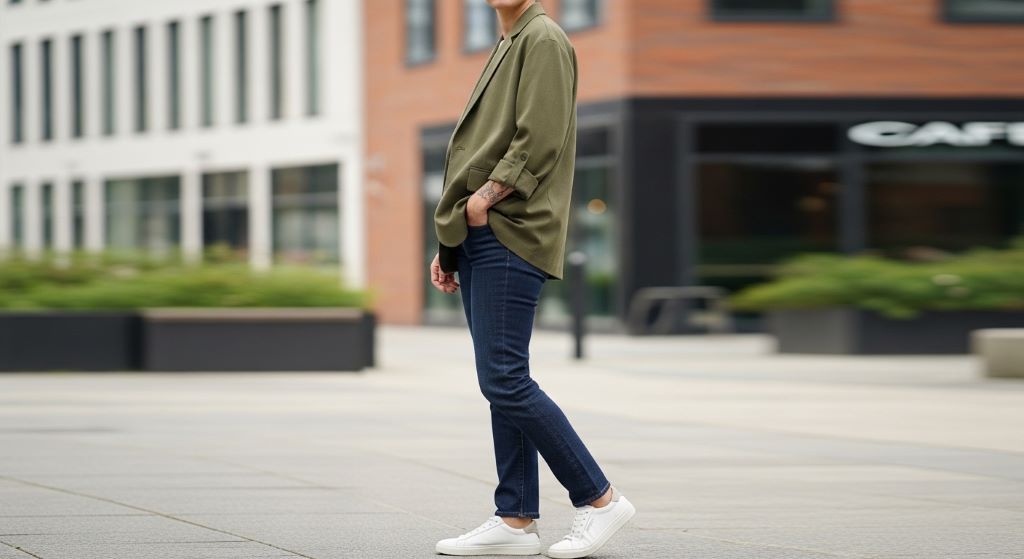
Getting dressed should feel easy. Yet many people stand in front of their closet every morning and feel stuck. The problem is often fit. Clothes that are too tight look uncomfortable. Clothes that are too baggy look sloppy. The sweet spot sits right in the middle, and once you find it, your whole wardrobe transforms.
This guide will walk you through everything you need to know. You will learn how to find the right fit for different body types, how to mix fitted and relaxed pieces, and how to make simple adjustments that change everything. By the end, styling your outfits will feel natural and effortless.
Why Fit Is the Foundation of Every Good Outfit
Most people think fashion is about buying the right clothes. However, it is really about wearing them the right way. A simple white shirt and plain jeans can look polished or messy depending entirely on how they fit.
When clothes fit well, they flatter your body. They make you look put-together without trying too hard. Additionally, well-fitted clothing feels better to wear. You move more freely and feel more confident throughout the day.
The goal is not to look slim or to follow a trend. The goal is to look intentional. When your clothes fit properly, it shows that you made a choice. That quiet confidence is what people notice most.
Understanding the Three Fit Zones
Before you start styling your outfits, it helps to understand the three basic fit categories. These are slim fit, relaxed fit, and oversized fit. Each one works in different situations, and the key is knowing when to use which.
Slim fit means clothing that follows the shape of your body without squeezing it. It is not tight. There is still room to move, but the fabric does not hang loosely either.
Relaxed fit means clothing that sits slightly away from your body. It is comfortable and easy. However, it still has structure. It does not droop or bunch in awkward places.
Oversized fit means clothing that is intentionally much larger than your body. This style works well as a fashion statement when balanced with something more fitted on the other half of your body.
Therefore, the rule of thumb is simple. If you wear something relaxed on top, wear something more fitted on the bottom. If you wear something slim on top, you can go relaxed on the bottom. This balance keeps your look intentional rather than accidental.
How to Find the Right Fit for Your Body Type
Every body is different, and that is a good thing. The key is not to dress for a body type you do not have. Instead, dress to highlight what you like about your own body.
For people with a broader upper body, fitted bottoms and slightly relaxed tops work well. This creates a visual balance. Avoid extremely tight tops, as they can feel uncomfortable and draw attention to areas you may not want to highlight.
For people with a narrower upper body, slightly structured tops add shape. A well-fitted blazer or a shirt with shoulder seams that sit right at the edge of your shoulders works beautifully. Avoid tops that are too baggy, as they can make your upper body disappear.
For people with a fuller midsection, the most flattering approach is to avoid both extremes. Clothes that are too tight will cling in ways that feel uncomfortable. Clothes that are too loose will add visual bulk. A relaxed but structured top that skims your body is the best choice.
Additionally, tall people can experiment more freely with oversized silhouettes. Shorter people generally look best in proportional fits that do not swamp their frame. However, these are guidelines, not rules. Wear what makes you feel good.
The Art of Mixing Fitted and Relaxed Pieces
One of the easiest ways to style your outfits is to master the mix. Pairing a relaxed piece with a fitted piece creates visual interest. It also prevents your look from feeling too casual or too stiff.
Here are some classic combinations that always work:
- A fitted turtleneck with wide-leg trousers
- An oversized blazer with slim straight jeans
- A relaxed linen shirt tucked into tailored shorts
- A fitted crew-neck T-shirt with loose cargo pants
- A structured jacket over a flowy midi skirt
Notice how each pairing has one relaxed element and one more structured element. This contrast is what makes the outfit feel balanced. Furthermore, tucking in part of a shirt is an easy trick. A half-tuck instantly creates shape without the effort of a full tuck.
Common Fit Mistakes and How to Fix Them
Even people who love fashion make fit mistakes. Knowing what to look for makes it easier to catch and correct them.
One of the most common mistakes is wearing shirts where the shoulder seam falls too far down the arm. This makes the whole upper body look droopy. The shoulder seam should sit right at the point where your shoulder ends. If it does not, the shirt is too big.
Another common mistake is wearing trousers that are too long. Excess fabric bunching at your ankles makes any outfit look messy. Therefore, getting trousers hemmed is one of the best investments you can make. A tailor can do it quickly and cheaply, and it makes a huge difference.
Buying clothes that are too tight across the back is also a frequent issue. You may not notice it when you try something on, but it shows in photos. If the fabric pulls or stretches when you move your arms forward, the fit is too snug.
Additionally, many people forget to consider how clothes fit when they are sitting down. Always sit in clothes before you buy them. Trousers that fit standing up may feel uncomfortably tight when seated.
How Fabric Affects the Way Clothes Fit
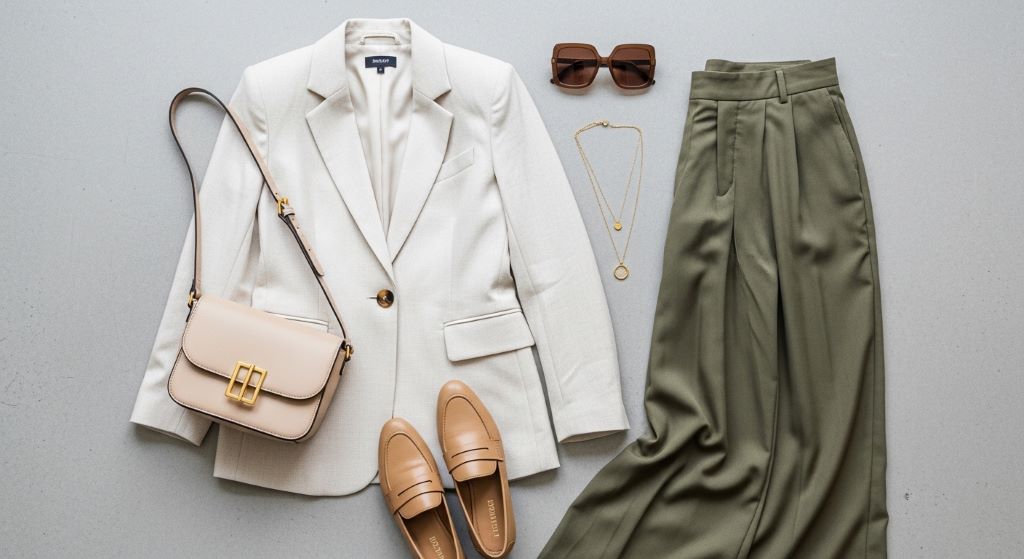
The fabric of a garment changes how it drapes and fits on your body. Two shirts in the same size can look completely different if they are made from different materials.
Stiff fabrics like denim, canvas, and structured cotton hold their shape. They are forgiving because they do not cling. However, they can look boxy if the cut is not right.
Soft fabrics like silk, jersey, and modal drape against the body. They feel luxurious and move beautifully. However, they show every bump and edge, so fit needs to be more precise with these materials.
Stretchy fabrics like elastane blends are very forgiving in terms of fit. They adapt to your body shape. However, too much stretch can lead to clothes that look saggy over time. Choose stretch fabrics with a small percentage of elastane rather than mostly synthetic material.
When shopping, always read the fabric content label. Knowing what a garment is made of helps you predict how it will feel and look when you wear it.
Simple Styling Tricks That Elevate Any Outfit
You do not need a stylist to look great. A few simple tricks go a long way when it comes to making your outfits work.
Rolling up your sleeves is one of the easiest ways to make an outfit look more intentional. Whether it is a shirt, a blazer, or a sweater, a subtle roll adds a casual, confident energy.
Layering is another powerful tool. Adding a light jacket or an unbuttoned shirt over a T-shirt creates depth. It also gives you something to adjust throughout the day, which keeps the look flexible.
Choosing the right footwear matters more than most people realize. Shoes change the proportion of an outfit. Chunky shoes balance wide-leg trousers. Sleek shoes elongate the leg line. Therefore, always think about your shoes as part of the outfit, not an afterthought.
Finally, pay attention to the neckline. The neckline of a top frames your face. A V-neck creates length. A crew neck feels classic and clean. A high neck adds drama. Choosing a neckline that suits your face shape and personal style ties your whole outfit together.
Building a Wardrobe That Always Fits
The best way to always look good is to build a wardrobe where everything fits well before you even start getting dressed. This means being selective when you shop.
When you try on clothes, move around. Lift your arms. Sit down. Bend forward. If anything pulls, gaps, or bunches, it does not fit. Do not buy it hoping it will feel better later. It will not.
Additionally, do not buy clothes that you plan to lose weight into. Wear clothes that fit the body you have right now. Clothes that fit you today will always look better than clothes that may fit you someday.
Invest in a few basic tailoring appointments. Getting the waist of trousers taken in, shortening a hem, or taking in the sides of a shirt are small changes that make a dramatic difference. Tailoring is not just for expensive clothes. It works on budget pieces too.
Conclusion
Styling your outfits well comes down to one simple principle. Fit is everything. When your clothes fit your body properly, you look polished, feel confident, and get dressed faster every morning.
Start by understanding the three fit zones: slim, relaxed, and oversized. Then learn to balance them. If one piece is relaxed, pair it with something more fitted. Know your body and dress for it honestly. Avoid common fit mistakes like dropping shoulder seams, excess fabric, and clothes that pull across the back.
Pay attention to fabric, because it changes how a garment drapes. Use simple tricks like rolling sleeves, layering, and choosing the right shoes. Most importantly, build a wardrobe where everything fits you right now. Tailoring is your best friend.
When fit is right, style follows naturally. You do not need a full wardrobe overhaul or a big budget. You just need the right clothes in the right size, worn the right way.
Frequently Asked Questions
What does “well-fitted” clothing actually mean?
Well-fitted clothing follows the shape of your body without squeezing or hanging off it. Shoulder seams should sit at the edge of your shoulders, fabric should not pull or bunch, and the length should be appropriate for your height.
Can I wear oversized clothes and still look stylish?
Yes. The key is balance. If you wear an oversized top, pair it with something more fitted on the bottom, like slim trousers or straight-leg jeans. This prevents the look from appearing shapeless.
How do I know if my clothes are too tight?
If the fabric pulls, stretches, or creates visible lines when you move, the clothing is too tight. Buttons straining at the chest or trousers that feel restrictive when sitting are clear signs the fit is too snug.
Is tailoring worth it for affordable clothing?
Absolutely. Even inexpensive clothes look significantly better with small tailoring adjustments. Hemming trousers, taking in a waist, or adjusting sleeve length are low-cost changes with a high visual impact.
How do I dress for my body type without following strict rules?
Focus on how you feel rather than strict body-type guidelines. Try on different fits and pay attention to what feels comfortable and looks balanced to your eye. Confidence in what you wear matters more than following any formula.
Related Topics:
How To Style Sweaters Over Dresses Like A Pro
How to Dress for Depression Days: A Comprehensive Guide to Clothing as a Tool for Mental Wellness
