


Brazilian fashion has a rich and colorful history. It is shaped by indigenous traditions, African heritage, Portuguese colonial influence, and vibrant regional cultures. Today, modern boho fashion celebrates freedom, earthy textures, and handcrafted beauty. These two worlds have more in common than you might think. Blending historical Brazilian fashion with modern boho trends can create a look that is unique, meaningful, and deeply stylish.
However, doing this well requires some understanding of both styles. Therefore, this guide will help you explore the roots of Brazilian fashion and show you how to connect them with the free-spirited boho aesthetic that is so popular today. Whether you are building an everyday outfit or a standout look for a special occasion, this blend offers endless possibilities.
Understanding Historical Brazilian Fashion
Brazilian fashion did not develop in isolation. It grew from a meeting of many cultures over hundreds of years. Each group brought its own clothing traditions, textiles, and decorative styles. Together, they created a fashion identity that is bold, expressive, and deeply connected to the land.
Indigenous Brazilian communities were among the first to develop a unique visual language through clothing and adornment. They used natural materials such as feathers, seeds, shells, and plant fibers. Their designs often carried symbolic meaning. Additionally, body paint was used as a form of expression and cultural identity.
African influences arrived during the colonial period through enslaved people brought to Brazil. These communities brought with them a tradition of vibrant colors, layered fabrics, and handmade jewelry. The Baiana style, which originated in the state of Bahia, is one of the most recognized examples of this African-Brazilian heritage. It features white lace dresses, turbans, and layers of beaded necklaces called balangandas.
Portuguese colonizers also left a lasting mark on Brazilian dress. They introduced European tailoring, embroidery techniques, and structured garments. Over time, these elements were adapted and blended with local traditions to create something entirely new.
Key Elements of Historical Brazilian Fashion
To blend historical Brazilian fashion with modern boho style, you first need to understand its key elements. These are the building blocks that you can draw from when creating your look.
Vibrant Colors and Bold Patterns
Brazilian fashion has always embraced color with confidence. Deep yellows, tropical greens, ocean blues, and warm reds are all central to the palette. Patterns inspired by nature, such as florals, leaves, and geometric shapes, are also common. These colors and patterns reflect the biodiversity and energy of Brazil itself.
Handcrafted Textiles and Embroidery
Handmade textiles are a cornerstone of Brazilian fashion history. Regions like the Nordeste are famous for their intricate embroidery and lacework. The town of Timbauba in Pernambuco, for example, is known for its beautiful hand-embroidered fabrics. These pieces take great skill and time to produce. Therefore, they carry a sense of artisanal pride that fits perfectly with the boho love of handmade items.
Natural and Sustainable Materials
Historical Brazilian clothing often used natural materials. Cotton, sisal, and other plant fibers were woven into garments and accessories. Seeds, shells, and wood were used in jewelry. This connection to natural materials is something that modern boho fashion shares deeply.
Layering and Adornment
Layering is a strong tradition in Brazilian fashion. The Baiana style, for instance, involves multiple layers of fabric, jewelry, and accessories. This approach to dressing creates a rich, textured look that is also a hallmark of boho style.
What Is Modern Boho Fashion?
Boho fashion, short for bohemian fashion, draws inspiration from the free-spirited lifestyle of artists, travelers, and creatives. It emerged in Western fashion during the 1960s and 1970s and has remained popular ever since. Today, modern boho style combines vintage elements with contemporary silhouettes.
Modern boho fashion is defined by flowing fabrics, earthy tones, and layered accessories. It values individuality over conformity. Additionally, it tends to celebrate handmade, vintage, and ethically sourced clothing. Fringe, embroidery, lace, and natural textures are all common features.
However, modern boho is not a rigid style. It adapts to the wearer and evolves with each season. This flexibility is what makes it such a great canvas for blending with other cultural fashion traditions, including the rich history of Brazilian dress.
Why Brazilian Fashion and Boho Style Work So Well Together
At first glance, historical Brazilian fashion and modern boho style may seem like very different things. However, when you look more closely, they share a surprising number of values and aesthetics.
Both styles celebrate handcrafted items and artisanal techniques. Both are deeply connected to nature and natural materials. Both embrace bold colors, layering, and personal expression. Additionally, both are rooted in cultural traditions that value community and creativity over mass production.
Therefore, blending these two styles is not a stretch. It is a natural and harmonious combination. The key is to do it with intention and respect for the cultural origins of each element.
How to Build a Brazilian Boho Outfit
Now that you understand both styles, it is time to look at how to bring them together in a practical way. Building a Brazilian boho outfit is about selecting pieces and accessories that honor both traditions while feeling fresh and modern.
Start With a Flowing Base
Begin with a flowy, lightweight garment as your foundation. A maxi dress or wide-leg trousers in a neutral or earthy tone works well. This is a staple of boho style. From there, you can add Brazilian-inspired details on top. Look for pieces made from natural cotton or linen to stay true to both traditions.
Add Brazilian Embroidery or Lacework
One of the easiest ways to introduce historical Brazilian fashion into a boho look is through embroidery and lace. Look for blouses, skirts, or kimono-style jackets featuring hand-embroidered details. The Nordeste embroidery tradition pairs beautifully with boho silhouettes. Additionally, white or off-white lace pieces echo both the Baiana tradition and the classic boho love of vintage-inspired fabrics.
Layer With Color and Texture
Do not be afraid to layer. Add a colorful wrap, a fringed shawl, or a printed scarf over your base outfit. Brazilian fashion embraces bold colors, and boho style welcomes layers. Together, they create a look that is rich and visually interesting. Try pairing tropical prints with solid earthy tones to keep the look balanced.
Choose Natural and Handmade Accessories
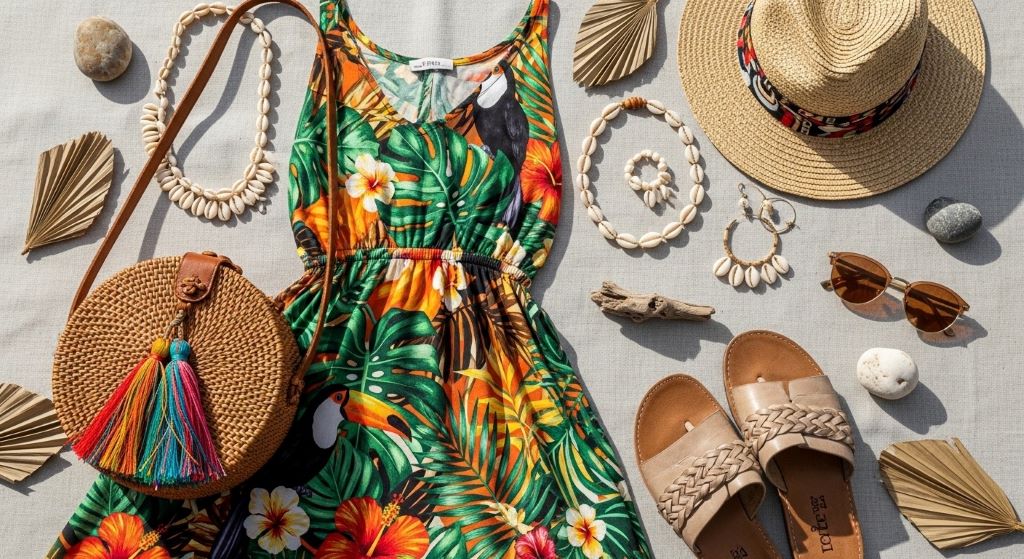
Accessories are where the Brazilian boho blend truly comes alive. Look for jewelry made from seeds, wood, shells, or clay beads. These materials are rooted in Brazilian indigenous and Afro-Brazilian traditions. At the same time, they fit perfectly within the boho aesthetic. Stack bracelets, layer necklaces, and add statement earrings to complete the look.
Additionally, consider woven bags or baskets made from natural fibers. These are common in Brazilian artisan markets and align perfectly with boho fashion values.
Incorporate Color With Intention
Brazilian fashion is known for its fearless use of color. Boho style tends to favor more muted, earthy tones. However, these two approaches can coexist beautifully. Use one or two vibrant Brazilian-inspired colors as accents within a more neutral boho palette. For example, a white linen dress with a vivid yellow sash and amber seed jewelry creates a cohesive and striking look.
Choose Footwear That Grounds the Look
Footwear plays an important role in completing a Brazilian boho outfit. Leather sandals, strappy flats, or woven espadrilles all work well. Gladiator sandals with natural tones echo both Brazilian and boho sensibilities. Additionally, going barefoot or wearing simple leather thong sandals keeps the look relaxed and grounded.
Brazilian Boho for Different Occasions
The Brazilian boho style is versatile enough to suit many different settings. Here are a few ways you can adapt the look for different occasions.
For everyday wear:
- Keep the layers light and the accessories minimal.
- Choose comfortable, breathable fabrics like cotton and linen.
- A simple embroidered blouse with wide-leg pants and seed bead jewelry is ideal.
For festivals or outdoor events:
- Go bolder with color and layering.
- Add a fringed bag, a wide-brimmed hat, and stacked bracelets.
- A maxi dress with Brazilian floral print and lace detailing makes a strong statement.
For a beach or resort setting:
- Use lightweight cover-ups in bright Brazilian colors over swimwear.
- Add shell jewelry and a woven straw hat.
- This combination feels naturally at home by the water.
Shopping and Sourcing Tips
Finding the right pieces for a Brazilian boho wardrobe requires a thoughtful approach. Here are some helpful tips to guide your shopping.
- Look for Brazilian artisan brands that sell handmade embroidered and woven pieces online.
- Visit vintage markets and thrift stores for boho staples like linen dresses and fringed shawls.
- Support fair trade and ethical fashion brands that work with Brazilian artisans directly.
- Look for seed and shell jewelry from Amazonian or Bahian craft sellers.
- When in doubt, choose natural materials over synthetic ones. They feel better, last longer, and align with both traditions.
Caring for Your Brazilian Boho Wardrobe
Natural fabrics and handmade pieces require a little extra care. However, the effort is worth it. Here are a few simple guidelines to keep your wardrobe looking its best.
Hand wash embroidered and lace pieces whenever possible. This protects the delicate threads and extends the life of the garment. For seed and shell jewelry, avoid exposing it to water for long periods. Store it in a dry, cool place. Additionally, fold knit and woven pieces rather than hanging them, as hanging can distort their shape.
Therefore, with a little care, your Brazilian boho pieces will last for many years and only grow more beautiful with time.
Conclusion
Blending historical Brazilian fashion with modern boho trends is a creative and rewarding process. It starts with understanding the rich history of Brazilian dress, from indigenous adornment to the vibrant Baiana style and the handcrafted textiles of the Nordeste. These traditions share deep common ground with the values of boho fashion, including a love of natural materials, handmade craftsmanship, bold color, and personal expression.
By choosing flowing base garments, adding embroidered or lace details, layering with color, and accessorizing with natural materials, you can build outfits that honor both traditions. Additionally, the style is adaptable enough to work for everyday wear, festivals, and beach settings alike.
Therefore, whether you are new to Brazilian fashion or have always loved boho style, this blend offers a fresh and meaningful way to express yourself. It is a celebration of culture, creativity, and connection to the world around you.
Frequently Asked Questions
1. What are the main influences behind historical Brazilian fashion?
Historical Brazilian fashion was shaped by three major cultural influences. These are indigenous Brazilian traditions, African heritage brought by enslaved communities, and Portuguese colonial dress. Together, these three streams created a fashion identity defined by vibrant colors, handcrafted textiles, natural materials, and layered adornment.
2. Can boho fashion include cultural elements from other countries?
Yes, boho fashion has always drawn inspiration from cultures around the world. However, it is important to approach this with respect and awareness. When incorporating elements from another culture, learn about their origins and meaning. Choose to support artisans and brands from those cultures whenever possible. This approach is called cultural appreciation rather than appropriation.
3. What types of fabric work best for a Brazilian boho look?
Natural fabrics work best for this style. Cotton, linen, and lightweight silk are all excellent choices. They are breathable, comfortable, and align with the natural material values of both Brazilian heritage and boho fashion. Additionally, hand-woven and hand-embroidered fabrics add texture and authenticity to the look.
4. How do I add Brazilian color to a boho outfit without overdoing it?
The easiest way is to use color as an accent rather than as the main focus. Start with a neutral or earthy base outfit, such as cream linen trousers and a white embroidered top. Then introduce one or two pops of Brazilian-inspired color through accessories like a bright sash, seed bead necklace, or a printed scarf. This keeps the look balanced and intentional.
5. Where can I find authentic Brazilian fashion pieces?
You can find authentic Brazilian fashion pieces through several channels. Online marketplaces that feature independent artisans, such as Etsy, often have Brazilian sellers offering handmade embroidery and jewelry. Brazilian fashion brands with an ethical focus also sell internationally. Additionally, if you have access to Latin American cultural markets or festivals in your area, these are excellent places to find unique and handmade pieces.
Related Topics:
What Is a Zoot Suit? Unpacking the Iconic Fashion Statement
Marc Jacobs vs. JW Anderson: Mid-Range Bags with Major Style
