


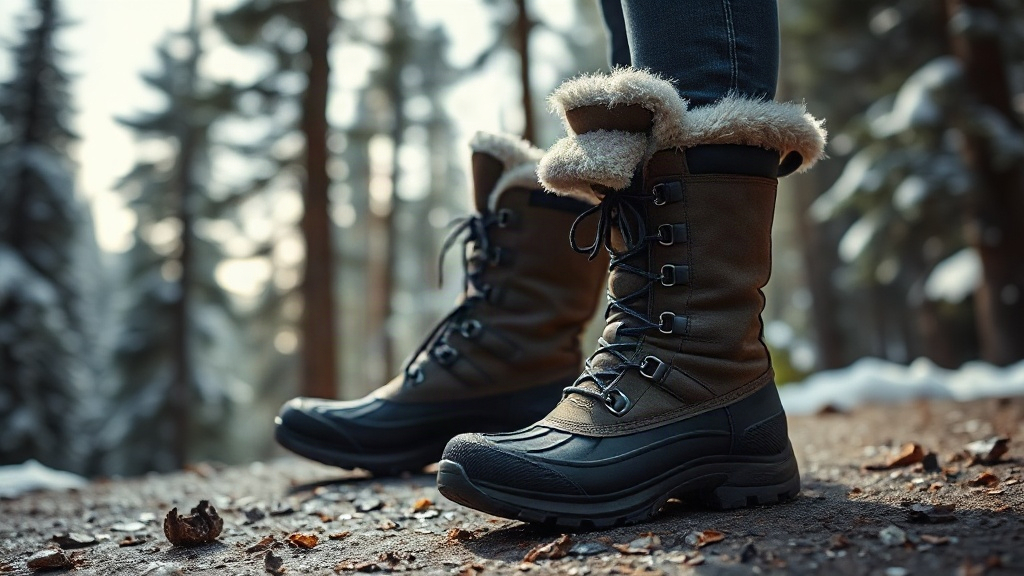
Slush, sleet, and salted sidewalks are where winter boots earn their price. If you are shopping for the Best Waterproof Winter Boots for Women in the USA, the real question is narrower: which pair keeps your feet dry through a commute, a school run, and a dog walk without turning into a sauna indoors?
Quick answer: Match the boot to your coldest, wettest days. A waterproof membrane plus a rubber shell and an insulated lining covers most U.S. winters. Choose a taller shaft for deep snow and a lower profile for city slush. Prioritize traction on ice and a true waterproof barrier over thick fashion padding that soaks through.
This guide ranks five reliable picks, compares them side by side, and explains exactly what to check before you spend.
Quick picks at a glance
These five cover the range most shoppers actually need, from a budget-friendly rain-and-snow boot to a serious deep-winter performer.
If you only walk cleared sidewalks in a mid-Atlantic winter, the Columbia Ice Maiden II covers you; if you face unplowed drifts and subzero wind chills in Minnesota or Maine, start with the Baffin Chloe. Anyone splitting the difference between a wet commute and weekend snowshoeing will get the most use from the Kamik Momentum3, while the Merrell Thermo Snowdrift earns its place for hikers and anyone whose toes feel cramped in a standard width.
Best overall: Kamik Momentum3
The Momentum3 balances price, warmth, and grip better than anything in its class. A removable felt liner and a waterproof rubber shell handle wet snow and cold pavement. The tall shaft keeps drifts out during shoveling and walks. It is not the lightest boot, yet it stays comfortable for hours.
Best for deep cold: Baffin Chloe
When temperatures drop near zero, the Chloe’s thick insulation and rated cold-weather construction keep toes warm far longer than lighter boots. It suits northern states and long outdoor stretches. Expect bulk on long drives and warmer indoor spaces.
Best for city slush: Blundstone 584 Thermal
This Chelsea-style thermal boot slips on fast and looks smart with jeans or workwear. The waterproof leather upper and thermal footbed handle wet sidewalks and moderate cold. It is the pick for commuters who want one boot to do the job without looking outdoorsy.
Best budget pick: Columbia Ice Maiden II
The Ice Maiden II delivers a waterproof membrane and decent insulation at a friendly price. Omni-Grip soles hold reasonably on packed snow. It is a sensible first winter boot and a good choice for mild-to-moderate climates.
Best for wide feet: Merrell Thermo Snowdrift
Roomy toe box, a waterproof membrane, and solid lugged traction make the Snowdrift a strong fit for wider feet and longer hikes. It flexes more than a rigid snow boot and works well for active days outdoors.
Comparison: Five waterproof winter boots for women
The table compares warmth, waterproofing, shaft height, and best use so you can match a boot to your climate and routine.
| Model | Insulation and warmth | Waterproofing | Shaft height | Best use |
|---|---|---|---|---|
| Kamik Momentum3 | Removable felt liner, rated to about -25°F | Rubber shell plus seam-sealed upper | Mid-calf | Everyday winter, snow and slush |
| Baffin Chloe | Heavy insulation, rated to about -40°F | Fully waterproof shell | Mid-calf | Deep cold, northern winters |
| Blundstone 584 Thermal | Thermal footbed, moderate warmth | Waterproof leather | Ankle | Commuting, city wear |
| Columbia Ice Maiden II | Light synthetic insulation | Waterproof membrane | Mid-calf | Budget pick, moderate winters |
| Merrell Thermo Snowdrift | Synthetic insulation, active warmth | Waterproof membrane | Mid-calf | Wide feet, outdoor activity |
The clearest split is between boots built for standing around in cold (Baffin) and boots built for movement (Merrell). The Kamik sits in the middle, which is why it wins the overall spot. Temperature ratings describe the insulation’s limit, not a comfort guarantee, so treat them as a ceiling rather than a promise.
Weigh each boot on a kitchen scale if the spec sheet omits it: most women’s winter boots run between two and three pounds per pair, and the Baffin Chloe sits at the heavy end while the Columbia Ice Maiden II stays closest to a regular shoe. Shaft circumference matters as much as height; a narrow calf can make a tall boot feel restrictive over thick tights, while a wide shaft lets powder drop straight in. Note the closure style too, since laces let you cinch a loose fit and a slip-on Chelsea like the Blundstone offers no adjustment beyond sock thickness.
Individual reviews of the top picks
Each review below follows the same pattern: what the boot does well, where it falls short, and who should buy it. Sizing runs differently across these five brands, so read the fit notes before you order, and keep the retailer’s return window open until you have worn them outside on a cold day.
Kamik Momentum3: the all-rounder
The Momentum3 gets the fundamentals right. The rubber shell blocks slush, the seam-sealed upper keeps rain out, and the removable liner dries separately after a wet day.
Pros:
- Waterproof rubber shell handles puddles and wet snow
- Removable felt liner dries fast and extends boot life
- Rated to roughly -25°F for genuine winter coverage
- Grippy outsole performs on packed snow
Cons:
- Heavier than fashion or Chelsea boots
- Runs warm indoors and during long drives
- Bulkier profile under slim-cut pants
Baffin Chloe: built for serious cold
The Chloe is the boot you reach for when the forecast reads single digits. Thick insulation wraps the whole foot, and the waterproof shell shrugs off deep snow.
Pros:
- Exceptional warmth for northern winters
- Fully waterproof construction
- Tall shaft blocks snow from entering
- Sturdy traction for icy sidewalks
Cons:
- Noticeably heavy and stiff at first
- Too warm for mild climates or long indoor wear
- Higher price than casual winter boots
Blundstone 584 Thermal: city-ready waterproofing
This Chelsea boot proves you do not need a bulky snow boot for a wet urban winter. Waterproof leather and a thermal footbed cover commutes and errands.
Pros:
- Slip-on design speeds up busy mornings
- Waterproof leather looks polished with everyday outfits
- Thermal footbed adds warmth without bulk
- Comfortable for all-day walking
Cons:
- Not built for deep snow or extreme cold
- Premium price for a lower shaft
- Limited insulation compared with snow boots
Columbia Ice Maiden II: the budget choice
The Ice Maiden II is the pick for shoppers who want dependable waterproofing without a big spend. It covers mild-to-moderate winters well.
Pros:
- Waterproof membrane at an accessible price
- Light enough for everyday wear
- Omni-Grip outsole holds on packed snow
- Easy to find in most sizes and colors
Cons:
- Insulation suits moderate cold, not deep freezes
- Less durable over multiple harsh seasons
- Softer sole than premium snow boots
Merrell Thermo Snowdrift: roomy and active
Wide-footed shoppers often struggle to find a winter boot that does not pinch. The Snowdrift’s roomy toe box and flexible build suit active days.
Pros:
- Generous toe box for wider feet
- Waterproof membrane keeps feet dry on trails and streets
- Flexible enough for hiking and long walks
- Reliable lugged traction
Cons:
- Less warm than heavily insulated rivals
- Not the most polished look for office wear
- Mid-range price with average liner durability
Feet swell through the day, so an evening try-on gives a truer fit. Bring the socks you plan to wear in winter.
Buying guide: how to choose
Finding the right pair comes down to a few checks that separate a dry, warm winter from a soggy one.
Start by writing down your two coldest weeks and your wettest month, because a boot that fails either test will sit unworn. Then decide how many hours a day you spend outdoors versus indoors, since that single ratio steers you toward insulation weight, shaft height, and whether a removable liner is worth the extra cost.
Waterproofing versus water resistance
Water-resistant boots shed light rain but soak through in slush. Waterproof boots use a membrane or rubber shell that blocks water entirely. Look for the word “waterproof” and a sealed construction, not just a treated fabric. A rubber lower shell is the most dependable barrier for wet snow.
Insulation and temperature ratings
Insulation thickness matches climate. Light insulation suits mild winters and active movement. Heavy insulation fits deep cold and long periods outdoors. Ratings like -25°F or -40°F describe the limit of the insulation, so pick a rating a step colder than your average winter low.
Traction on ice and snow
A lugged rubber outsole grips packed snow. Softer rubber compounds hold better on ice than hard plastic soles. If you walk on icy sidewalks often, prioritize deep lugs and a softer compound over a smooth fashion sole.
Fit, shaft height, and weight
A mid-calf shaft keeps snow out during shoveling and deep walks. Ankle height suits city slush and quick errands. Check the toe box if you have wide feet, and weigh the boot in your hand. Heavy boots tire your legs on long walks.
Price and expected lifespan
Budget boots around the low end of the market last a season or two in harsh climates. Mid-range and premium boots with removable liners and replaceable parts often outlast them. A removable liner you can dry and replace stretches the value of a single pair.
Wear new boots indoors for a few hours and on short walks. Stiff soles and liners soften with use, which reduces blisters when the weather turns.
FAQ
Are waterproof winter boots worth the extra cost?
Yes, if you face wet snow, slush, or rain. Water-resistant boots soak through and leave feet cold for hours. A true waterproof barrier keeps feet dry and warm, which matters most on long commutes and outdoor work.
How do I know if a winter boot is actually waterproof?
Check the label for the word “waterproof” plus a named membrane or a rubber shell. A sealed tongue and taped seams support the claim. Water-resistant or “weatherproof” wording signals a weaker barrier.
Can I wear waterproof winter boots indoors?
Short trips are fine. Heavily insulated boots trap heat and get uncomfortable in warm rooms. For all-day wear in offices, choose a lighter thermal boot with moderate insulation.
What temperature rating should I pick?
Match it to your local winter lows, then add a margin. A mild climate suits light insulation, while northern states benefit from boots rated well below zero. Ratings mark the insulation’s limit, not guaranteed comfort.
How should I care for waterproof boots?
Rinse off salt and mud, then air-dry away from direct heat. Remove liners so they dry fully. Reapply a conditioner or waterproofing treatment to leather uppers each season to keep the barrier working.
Final verdict
The Best Waterproof Winter Boots for Women in the USA comes down to your climate and routine. The Kamik Momentum3 is the safest overall buy for most shoppers. Choose the Baffin Chloe for deep northern cold, the Blundstone 584 Thermal for city commutes, and the Columbia Ice Maiden II if budget leads. Wide-footed and active buyers should start with the Merrell Thermo Snowdrift.
Measure your feet, confirm the waterproof claim, and try your pick on with winter socks before the season starts. That one step prevents most cold, wet surprises.
The Kamik Momentum3 wins on balance: real waterproofing, warm insulation, and dependable traction at a fair price.
