


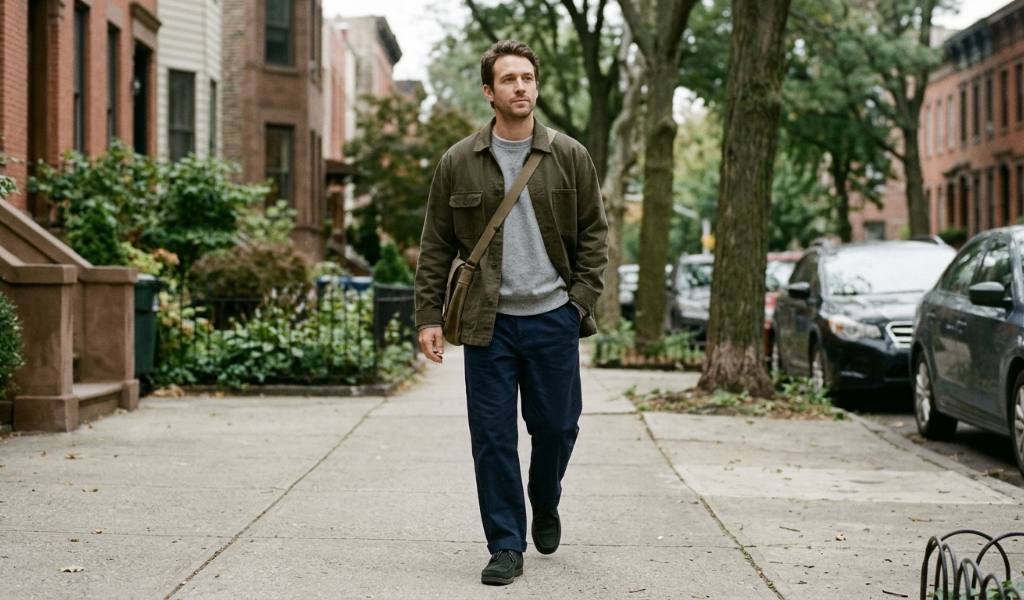
There’s been a slow shift happening in how British men think about their wardrobes. Not a dramatic overhaul, not a trend piece waiting to happen – just a gradual drift away from fussiness and toward clothes that actually work for real life. The kind of thing you notice when you look around at a Saturday morning farmers’ market and realise that most men over a certain age are dressed comfortably, sensibly, and honestly look pretty good.
It’s not slovenliness. It’s something more deliberate than that.
What’s driving it is harder to pin down. Some of it is probably post-pandemic habits that never quite unwound. Some of it is that men are getting better at recognising what they actually need from their clothes versus what they think they should want. And some of it, if we’re being honest, is just age – because at some point most men stop caring about impressing strangers and start caring about whether their trousers fit properly when they sit down.
The Practical Middle Ground Most Men Actually Occupy
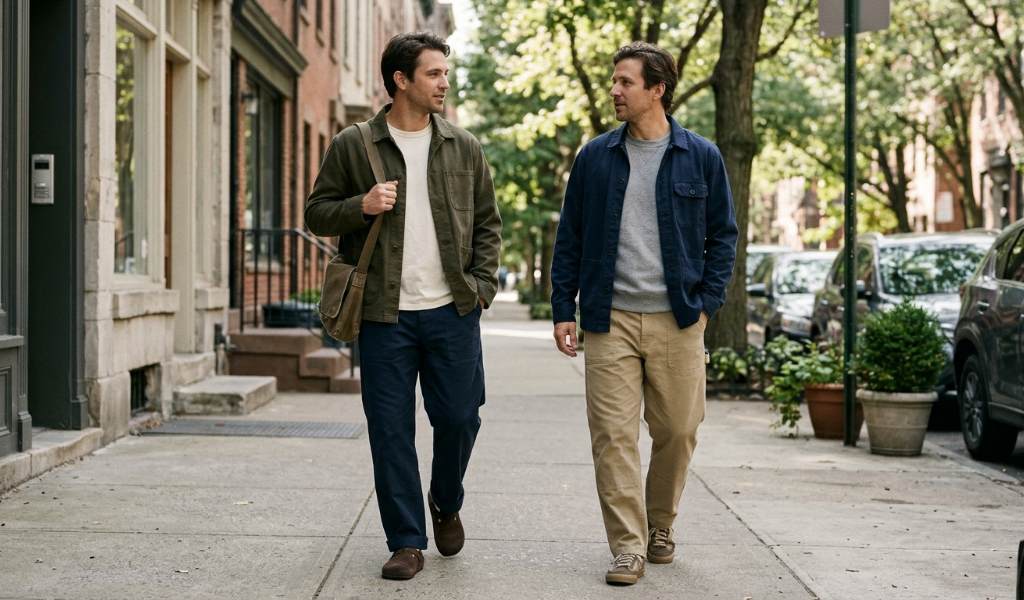
Here’s the thing that fashion media tends to miss: the vast majority of British men aren’t dressing for runways or even for office dress codes anymore. They’re dressing for dog walks, family visits, trips to the garden centre, casual lunches. The occasions are real, ordinary, and require clothes that can handle movement, temperature changes, and sitting in a slightly too-warm pub without becoming a crumpled mess.
That middle ground – not quite casual, not quite smart, but somewhere functional and presentable – is actually quite hard to dress well. Go too relaxed and you look like you’ve given up. Go too polished and you’re overdressed for your actual life. Getting it right requires knowing where to look.
Brands that specialise in exactly this kind of dressing don’t always get much column space in the style press, which does rather skew toward youth and trend. But they exist, and they serve a substantial portion of the male population who are frankly tired of being ignored. Chums menswear is a decent example – they’ve built a long-standing reputation around comfortable, well-fitting clothes aimed at men who prioritise function without wanting to look like they’ve entirely abandoned the concept of getting dressed. Fleeces, casual trousers, knitwear, waterproof jackets, that sort of thing. Nothing revolutionary, but that’s rather the point.
Fit Is the Thing Nobody Talks About Enough
Bad fit ruins everything. You probably know this already, but it bears repeating because so many men – including plenty who consider themselves quite sharp dressers – are walking around in clothes that are subtly wrong for their shape. Too long in the leg, too boxy in the chest, sleeves that hang past the wrist. These things add up.
The reason older men often look so much more put-together than their younger counterparts has less to do with money or taste and more to do with the fact that they’ve figured out their own proportions. They know what length of trouser works for them, what collar suits their neck, whether they need a regular or a longer-length shirt. That knowledge takes time to accumulate, and once you have it, you stop wasting money on things that won’t work.
Brands that cater to men with more life experience tend to think harder about fit variation too – longer body lengths, roomier cuts through the seat and thigh, adjustable waistbands. These aren’t concessions to age. They’re just good design.
Spending Less and Getting More
There’s also a value conversation that’s worth having. Men who’ve been dressing themselves for thirty-odd years tend to be less susceptible to paying a fortune for a label. They want things that wash well, hold their shape, and don’t fall apart after eighteen months. That pragmatism sometimes gets mistaken for a lack of taste, but I’d argue the opposite is true. Knowing what you actually want from a garment is a more sophisticated position than buying something because it’s expensive or because a magazine told you to.
None of this is to say comfort trumps everything. There’s a version of dressed-for-comfort that’s just an excuse to stop trying. But real ease in how you dress – clothes that fit your body and your life rather than fighting against them – that’s something worth thinking about, whatever age you happen to be.
