


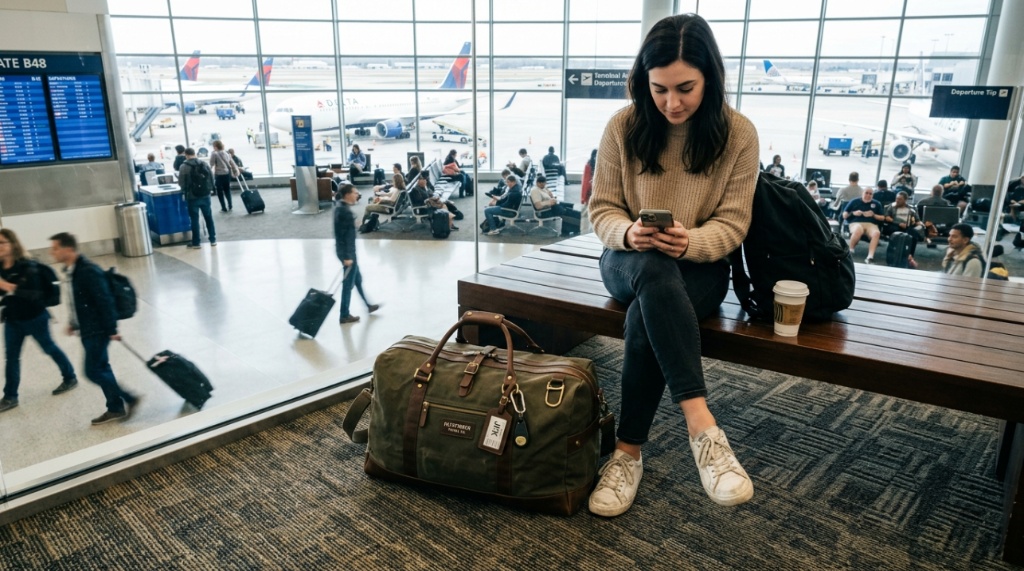
You finally saved up for a weekend getaway, but your old gym bag ripped at the seam before you even reached the airport. We have all been there. The frustration of a bag that cannot keep up with real life is a problem that costs you time, money, and peace of mind.
What Exactly Makes a Duffel Bag “Durable”?
Durability in a duffel bag comes down to three core components: the fabric, the stitching, and the hardware. A bag is only as strong as its weakest link, so you need all three to perform well under stress.
The fabric should be a high-denier nylon (like ballistic nylon or Cordura) or a heavy-duty polyester. Look for a denier rating of at least 600D for everyday use, and 1000D for heavy travel. The stitching must be double- or triple-stitched at stress points, particularly where the handles meet the body. Hardware—zippers, buckles, and clips—should be made of metal, not cheap plastic. YKK zippers are the gold standard for reliability.
Why Denier Count Matters for Your Bag
Denier (D) measures the thickness of the individual fibers. A 200D bag is lightweight but will tear easily. A 1680D ballistic nylon bag is what bulletproof vests use. For a balanced everyday bag, aim for 600D to 1200D. This gives you abrasion resistance without turning your bag into a heavy tank.
How Do You Assess Stitching and Seam Quality?
Look at the seams before you buy. Bar tacks (tight zigzag stitches) at the handle anchors and corner stress points are essential. If the seams are single-stitched and straight, the bag will fail quickly.
Turn the bag inside out if possible. Examine the lining. Loose threads, uneven stitching, and raw edges are red flags. A well-constructed bag has bound seams or taped seams to prevent fraying. On the outside, reinforced stitching around the zipper track prevents the zipper from ripping out when the bag is packed tight.
Which Fabrics Last the Longest for Everyday Travel?
For everyday use and frequent travel, the best fabrics are ballistic nylon, Cordura, and heavy-duty canvas. Each has distinct trade-offs in weight, feel, and water resistance.
| Fabric Type | Durability Rating | Weight | Water Resistance | Best For |
|---|---|---|---|---|
| Ballistic Nylon | Excellent | Medium-Heavy | High | Daily commutes, air travel |
| Cordura | Excellent | Medium | Very High | Outdoor adventures, rough handling |
| Heavy Canvas | Good | Heavy | Low (needs coating) | Stylish everyday carry |
| Standard Polyester | Fair | Light | Moderate | Budget gym bags |
Actionable advice: If you walk in the rain or take public transport, choose a bag with a water-resistant coating (DWR) or a built-in rain cover. A 1000D Cordura bag will outlast most other options by years.
Why Are Zippers the Most Common Failure Point?
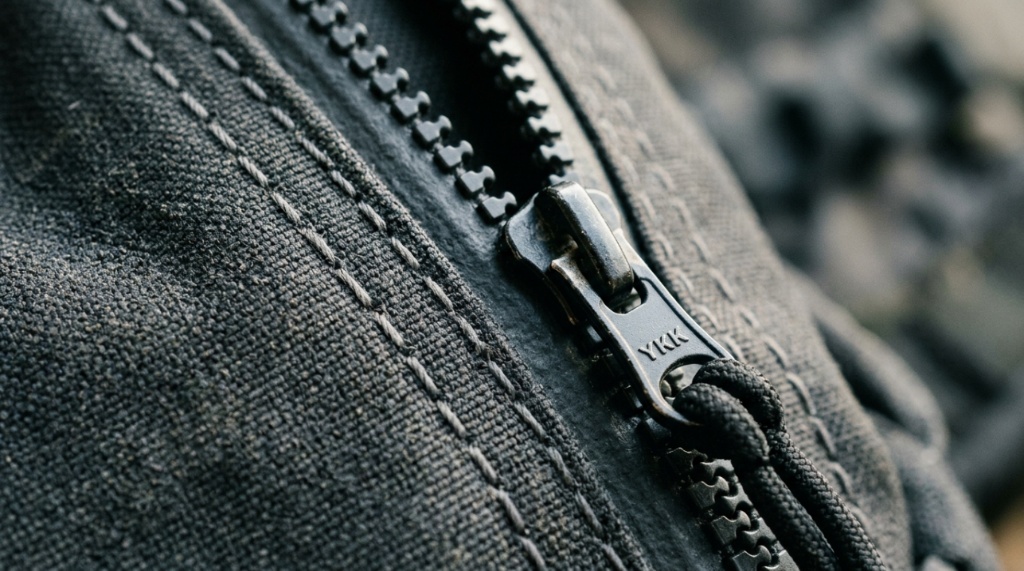
Zippers fail because they are a moving part under constant tension. A cheap zipper will split, jam, or break its teeth within months of daily use. This is the number one reason people abandon their old duffel bags.
You want YKK zippers specifically. They are the industry leader. Look for #8 or #10 coil zippers for the main compartment; these are thick enough to resist bending. Avoid #5 or smaller zippers on the main opening. Metal zippers are stronger than nylon coil zippers, but they can be heavier. For everyday use, a heavy-duty nylon coil zipper is often quieter and smoother while still being very tough.
The solution is finding a truly durable duffel bag that blends travel toughness with everyday convenience. This guide addresses that pain point by breaking down exactly what to look for in a bag that survives the daily commute, the gym, and the overhead bin without falling apart.
How to Test a Zipper Before You Buy
- Open and close the zipper several times. It should slide smoothly without catching.
- Look at the zipper tape where it attaches to the fabric. Is it sewn securely?
- Check the zipper pull tab. Is it metal or plastic? Metal pulls last much longer.
Can a Duffel Bag Be Both Durable and Lightweight?
Yes, but you have to compromise somewhere. The lightest durable bags use high-tech fabrics like Dyneema or ultra-high-molecular-weight polyethylene (UHMWPE). These are incredibly strong and light, but they are expensive and often have a crinkly feel.
For most people, a ballistic nylon bag weighing between 1.5 and 2.5 pounds offers the best balance. You get strength without the back-breaking weight of canvas. If you are a minimalist traveler or a cycle commuter, look for a 600D-800D nylon bag with minimal internal structure. These weigh less but still resist tears well.
How Important Are Reinforced Handles and Straps?
Extremely important. The handles and straps bear the entire weight of your load. If they rip, your bag is useless. Look for padded handles that are riveted or bar-tacked to the bag body. Detachable shoulder straps should have metal clips, not plastic buckles.
Check the attachment points. Are the straps sewn through the bag’s outer layer into a reinforced internal webbing? This is called “wrap-around” construction and is a sign of premium durability. Avoid bags where the handles are simply sewn into the outer fabric layer; they will tear out under heavy loads.
Which Closure System Is Best for Durability?
Zippers are the most common, but drawstring closures with a flap (dry-bag style) are actually more durable in the long run because they have fewer moving parts. A drawstring closure cannot jam or break teeth.
For everyday use, a zippered main compartment is more convenient for quick access. Look for a bag with a zipper that runs at least three-quarters of the way down the side (clamshell opening). This reduces stress on the zipper because you can load the bag evenly. A full-length zipper that goes all the way around the bag is great for packing but can be a weak point if the zipper track is thin.
What Role Does Water Resistance Play in Longevity?
Water resistance directly affects durability. Water weakens fabric fibers over time, causes mold in the lining, and corrodes metal zippers. A bag that gets wet often will degrade faster.
Look for bags with a Durable Water Repellent (DWR) coating. This causes water to bead up and roll off. Some bags have a waterproof TPU (thermoplastic polyurethane) coating on the inside. This makes the bag heavier but fully waterproof. For everyday use, DWR coating plus a sealed zipper is usually sufficient. If you plan to take the bag on boats or hiking in heavy rain, invest in a waterproof roll-top duffel.
How Do You Choose the Right Size for Daily Use?
Size is about matching the bag to your activities, not just maximizing capacity. A 40-liter bag is perfect for a weekend trip and a daily gym session. A 60-liter bag is better for longer travel but becomes cumbersome for daily errands.
- 30-40 liters: Best for day trips, gym, minimal overnight travel.
- 40-60 liters: Ideal for weekend getaways and as a carry-on.
- 60-80 liters: Good for checked luggage or extended trips.
Actionable advice: Measure the bag against airline carry-on size restrictions if you fly often. Do not buy a 70-liter bag if you only need it for the gym; the extra fabric will just add weight and reduce portability.
Is a Duffel Bag Better Than a Backpack for Everyday Durability?
It depends on your load. Duffel bags are structurally simpler, meaning fewer zippers and straps to break. A good duffel can last longer than a backpack because it has fewer mechanical components. Backpacks have padding, frames, and multiple compartments that can wear out.
However, a duffel bag puts all the weight on one shoulder (unless you use a crossbody strap). For heavy loads over long distances, a backpack is ergonomically better. For quick trips from car to hotel or from home to car, the duffel bag wins on simplicity and durability. If you want the best of both worlds, look for a duffel-backpack hybrid with stowable shoulder straps. These are more complex but offer flexibility.
What Features Add Real Durability (and What Is Marketing Hype)?
Not all “durable” features are worth the money. Here is what actually matters versus what is just hype.
Real durability features:
- Reinforced bottom panel (extra layer of fabric or rubberized material).
- Padded laptop compartment (protects your gear and the bag’s shape).
- Metal hardware on all attachment points.
- Lifetime warranty on stitching and zippers.
Marketing hype:
- “Military-grade” without specific denier or material specs.
- Guaranteed for life (read the fine print; often excludes wear and tear).
- Excessive pockets (more zippers = more failure points).
How Do You Inspect a Bag for Long-Term Durability?
Before you buy, whether online or in store, use this quick checklist. This takes less than two minutes and saves you from a bad purchase.
- Check the zipper brand. Look for YKK. If there is no brand, assume it is low quality.
- Pinch the fabric. Does it feel thick and stiff, or thin and flimsy? Flimsy fabric will tear.
- Pull the handles. Tug firmly. Do you see the stitching flexing? If the fabric puckers, the stitching is weak.
- Look at the base. Is there a separate reinforced bottom panel? If not, the bag will wear out quickly when set on rough floors.
- Check the strap clips. Are they metal or plastic? Plastic clips will eventually snap.
Why Does the Warranty Matter for Everyday Use?
A strong warranty is a proxy for manufacturer confidence. Companies that make truly durable bags offer lengthy warranties because they know their product will not fail. A one-year warranty is standard for cheap bags. A lifetime warranty is common among premium brands.
Read the warranty terms carefully. Some warranties cover only defects in materials and workmanship, not normal wear and tear (like a zipper wearing out after five years). Others, like those from certain outdoor brands, will repair or replace a bag for any reason. This is a huge value if you use the bag daily.
While a rugged duffel is unmatched for hauling heavy gear or a change of clothes to the office, it isn’t always the right fit for sleek evening settings. If your city travels involve shifting from a daily commute to high-end boutique shopping or dining out, you might want to complement your luggage setup with lighter, local fashion finds. For those occasions, explore our curated guide to the Best Clutch Bags in San Francisco to keep your evening essentials elegant and accessible
Frequently Asked Questions
What is the most durable duffel bag material?
Ballistic nylon (1680D) and Cordura (1000D) are the most durable materials for travel duffel bags. They resist abrasion, tearing, and UV damage far better than standard polyester or canvas.
How long should a good duffel bag last?
A high-quality, durable duffel bag used daily should last between 5 and 10 years. Bags with reinforced stitching, metal hardware, and high-denier fabrics can last even longer with proper care.
Can I use a duffel bag as a carry-on?
Yes, many duffel bags under 45 liters are designed to fit airline carry-on size limits. Check the dimensions (typically 22 x 14 x 9 inches) and look for bags with a clamshell opening for easy packing.
Are waterproof duffel bags more durable?
Waterproof duffel bags are often more durable in wet conditions because the TPU coating protects the fabric. However, the coating can degrade over time, and the welded seams may be less flexible than stitched seams in cold weather.
What is a roll-top duffel bag?
A roll-top duffel bag seals by rolling the top of the bag down and clipping it shut. This design eliminates zippers, making it completely waterproof and often more durable than zippered bags for extreme conditions.
How do I clean my durable duffel bag?
Most durable duffel bags can be spot-cleaned with mild soap and water. Avoid machine washing, which can damage coatings and stitching. For deep cleaning, hand wash in a tub and air dry away from direct heat.
Is a duffel bag good for everyday use?
Yes, a duffel bag is excellent for everyday use, especially for gym sessions, short trips, or commuting by car. Its simple design and large opening make it easy to pack and access, though it is less ergonomic than a backpack for walking long distances.
Conclusion
Choosing a durable duffel bag for everyday use does not have to be a guessing game. Focus on the fundamentals: a high-denier fabric like ballistic nylon or Cordura, double-stitched seams, YKK zippers, and metal hardware. Avoid marketing fluff and inspect the bag’s construction yourself. The right bag will survive airport conveyor belts, rainy bus stops, and packed gym lockers for years. Prioritize a bag that fits your specific routine—whether that is a 40-liter carry-on for flights or a rugged 60-liter for road trips—and invest in a brand that stands behind its product with a solid warranty. You deserve a bag that works as hard as you do. Start your search today with confidence, knowing exactly what to look for.
