


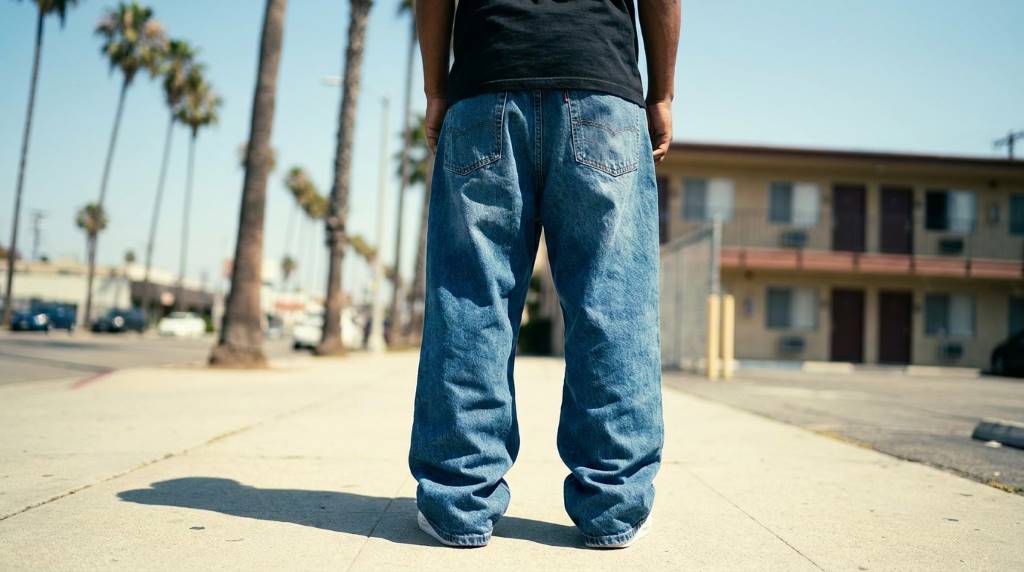
Yes, you can tailor baggy pants in Los Angeles, CA without losing their relaxed character. A skilled tailor can usually adjust the hem by 1 to 3 inches and refine the waist without reshaping the entire garment. Before choosing a size, compare measurements carefully, including womens zara jeans sizes, because labels vary between brands.
Key Takeaways
- Choose a tailor who understands oversized silhouettes and modern streetwear proportions.
- Pin the pants while wearing your preferred shoes before approving alterations.
- Preserve the original hem when possible, especially with denim and workwear styles.
- Adjust the waistband carefully because excessive tightening can distort the seat.
- Balance baggy legs with the right rise, break, and overall trouser length.
- Ask for a temporary fitting before authorizing major structural changes.
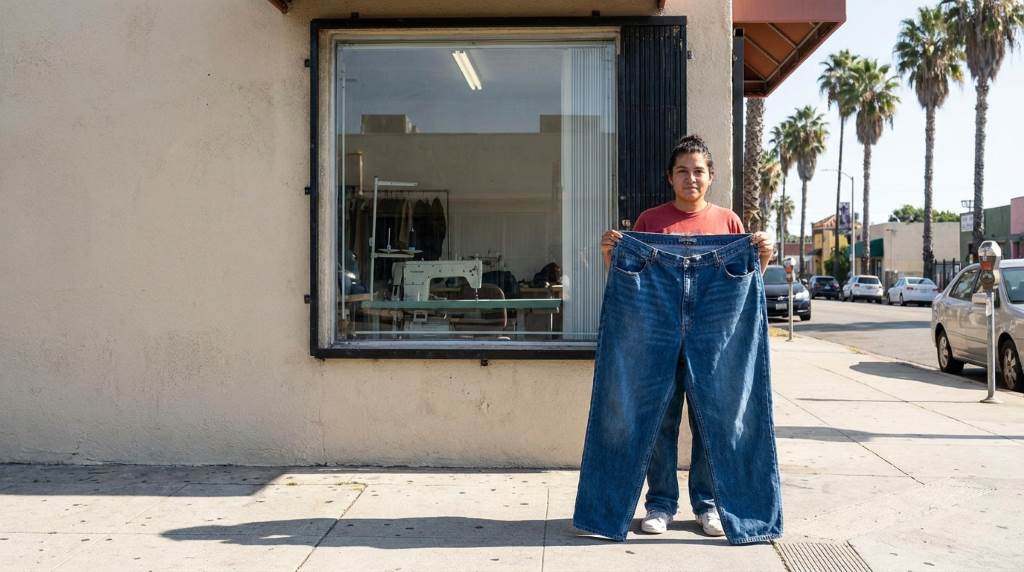
Start By Defining The Baggy Shape You Want
Baggy pants do not automatically need a slimmer cut. First, decide whether you want relaxed, oversized, wide-leg, or gently tapered proportions. Then explain that preference clearly before the tailor touches the garment.
Bring the shoes, belt, and top you normally wear with the pants. This approach helps the tailor judge the complete silhouette instead of one isolated measurement.
Los Angeles style often rewards relaxed proportions, so avoid chasing an extremely narrow fit. Instead, focus on removing excess fabric where it creates visual imbalance or uncomfortable movement.
For additional styling context, explore these pieces that make you stylish before deciding how dramatic your alteration should look.
Identify The Problem Before Altering Anything
Wear the pants normally and inspect the waistband, hips, thighs, knees, and hems. Notice where fabric bunches, pulls, collapses, or extends farther than your preferred silhouette.
A loose waist does not always require leg alterations. Likewise, excessive length can create bunching that makes otherwise well-fitting pants appear unnecessarily oversized.
Use safety pins only for temporary testing, and never cut fabric during your first fitting. A professional should mark the final adjustment after evaluating your natural stance.
How To Take Baggy Pants To A Los Angeles Tailor
Choose a tailor based on alteration experience rather than price alone. Ask whether they regularly handle denim, trousers, cargo pants, or oversized contemporary garments.
Bring the pants freshly cleaned and completely dry because fabric dimensions can change after washing. Also bring your usual shoes because footwear directly affects the ideal hem position.
Show the tailor exactly how you want the pants to sit. For visual references, these Kaley Cuoco feet style details can help illustrate preferred proportions.
During the fitting, stand naturally rather than holding your posture unnaturally. Walk, sit, and bend your knees so the tailor can assess movement and fabric tension.
Questions To Ask During The Consultation
Ask which alteration would solve the problem with the least structural change. This question encourages the tailor to preserve the original design while improving your fit.
- Can you preserve the original hem?
- Will narrowing the legs affect the drape?
- Should the waistband change before the legs?
- Where should the pants break over my shoes?
- Can I approve the pinned shape before cutting?
A good tailor should explain the tradeoffs before starting. If an adjustment could permanently change the silhouette, request a clear explanation first.
Adjust The Waist Without Ruining The Seat
Many baggy pants feel oversized because the waistband exceeds your actual measurement. However, tightening it too aggressively can pull the seat upward or create unwanted folds.
Ask the tailor to evaluate the waistband, center back, belt loops, and seat together. These areas work as one system, especially with structured trousers and heavier denim.
When possible, keep the original waistband construction intact. A careful alteration can reduce excess room while preserving the pants’ original appearance and proportions.
For outfit inspiration, study Beyonce iconic outfits to see how volume can remain intentional.
When Waist Alterations Need Extra Care
High-rise pants require careful waist adjustments because their rise affects the entire upper-body proportion. Reducing the waistband can also change where the trousers naturally sit.
Likewise, pants with pleats need thoughtful handling because excess waist fabric can influence pleat placement. Ask for a fitting while standing and sitting before approving permanent changes.
If the waistband requires major reconstruction, replacement may cost more than a simple alteration. In that situation, compare the alteration price against buying a better-fitting pair.
Refine The Legs Without Losing The Baggy Look
The biggest tailoring mistake involves removing too much width from oversized pants. Baggy trousers need controlled volume, not necessarily a conventional slim silhouette.
Ask the tailor to taper gradually when the lower leg feels excessively wide. A subtle reduction can improve proportion while keeping the relaxed character intact.
Pay attention to the knee area before approving tapering. Removing fabric only below the knee can create an unnatural shape when the upper leg remains extremely wide.
Choose Between Straight, Tapered, And Wide Shapes
A straight leg works well when you want the original oversized character with cleaner lines. A gentle taper works better when the ankle feels disproportionately wide.
Wide-leg pants usually need less intervention because their volume forms the intended silhouette. Instead, focus on length and waistband fit when the overall width already looks balanced.
Ask your tailor to pin both legs symmetrically before cutting. Then walk several steps and inspect the pants from the front, side, and rear.
Get The Hem Length Right For Los Angeles Styling
Hem length can transform the appearance of baggy pants more dramatically than many people expect. Too much fabric creates heavy stacking, while excessive shortening can make wide legs look awkward.
Choose the hem based on your shoes and desired break. Sneakers often support a different break than boots, loafers, or elevated footwear.
For denim, ask whether the tailor can preserve the original hem. Original hems maintain authentic fading and stitching, which often makes the finished alteration look more natural.
Try Different Hem Options Before Cutting
Ask the tailor to pin several lengths instead of accepting the first measurement. Compare a slight break, full break, and cleaner cropped position while wearing your regular footwear.
Stand relaxed during each test because posture can change how the fabric falls. Also take a few steps because movement reveals stacking that standing still can hide.
If you frequently change shoes, choose a versatile length rather than tailoring the pants around one pair. This gives the garment greater practical value.
Handle Denim, Cargo, And Heavy Fabrics Differently
Different fabrics respond differently to tailoring, so the alteration method should match the garment. Denim often needs specialized stitching, while lightweight trousers require more attention to drape.
Cargo pants present another challenge because pockets can affect visual balance after tapering. Removing too much width may make utility pockets appear crowded or misplaced.
Heavy fabrics also hold their shape differently from soft materials. Therefore, judge the finished silhouette after wearing the garment for several minutes.
Preserve Details That Make The Pants Distinctive
Before altering anything, identify distinctive details such as pleats, cuffs, embroidery, distressing, cargo pockets, or decorative stitching. Tell the tailor which features you consider essential.
A skilled professional can often work around these details instead of cutting through them. This matters especially when the pants have expensive construction or limited-edition finishes.
Take photographs before the alteration if the garment has complicated detailing. Those images provide a useful reference if the tailor needs to reconstruct a section.
How Much Should You Alter Baggy Pants?
There is no universal alteration amount because fit depends on the original pattern and your body proportions. Start with the smallest change that solves the specific problem.
For example, shortening an overly long hem may improve the silhouette without touching the leg width. Similarly, a modest waistband adjustment may eliminate sagging without changing the entire trouser shape.
Ask for progressive fitting whenever the alteration involves multiple areas. This method reduces the risk of making one adjustment that creates another fit problem.
Know When Buying New Pants Makes More Sense
Some garments simply start too far from your desired shape. Major reconstruction can become expensive, and extensive alterations may weaken original construction.
Consider replacement when the waist, rise, hips, and legs all require substantial changes. Tailoring works best when the existing garment already fits reasonably well.
Also consider fabric quality and garment value before spending heavily. A modest alteration makes more sense when the pants offer durable construction and strong everyday versatility.
Common Tailoring Mistakes To Avoid
Do not ask a tailor to make baggy pants look slim simply because the pants initially feel too large. The goal should involve proportion, comfort, and intentional volume.
Avoid approving alterations without trying the pants with your normal shoes. Even a small length difference can dramatically change how wide trousers visually balance your footwear.
Never judge the finished fit while standing completely still. Walk, sit, climb stairs, and bend slightly before confirming the final result.
- Removing excessive leg width can destroy the intended silhouette.
- Over-tightening the waist can distort the seat and rise.
- Shortening too much can make wide legs appear visually heavy.
- Ignoring pocket placement can weaken cargo-pant proportions.
- Skipping a second fitting can increase correction costs.
How To Maintain The Tailored Fit
Wash and dry the pants according to their fabric requirements after tailoring. Improper heat can shrink or distort carefully adjusted garments.
Hang structured trousers instead of leaving them crumpled on the floor. Proper storage helps preserve the crease, waistband shape, and overall drape.
Inspect the seams periodically if the tailor significantly reduced fabric. Early signs of strain can help you address fit problems before they become permanent damage.
Final Fitting Checklist
Before leaving the tailor, inspect the pants from every important angle. Check the waistband, seat, thighs, knees, hems, pockets, and stitching.
- Waist: stays secure without uncomfortable pressure.
- Seat: lies smoothly without excessive pulling.
- Thighs: retain intentional room without looking shapeless.
- Legs: maintain balanced width from hip to ankle.
- Hems: complement your regular shoes and preferred break.
- Details: preserve original stitching, pockets, cuffs, and finishes.
Finally, move naturally before approving the finished garment. A successful alteration should look intentional while remaining comfortable throughout ordinary movement.
Conclusion
Tailoring baggy pants in Los Angeles, CA works best when you refine proportions instead of eliminating volume. Start with a clear silhouette, use your regular shoes, and make small adjustments through professional fittings.
Bring your favorite baggy pants to an experienced local tailor and request a measured fitting before approving any permanent changes. With careful waist, leg, and hem adjustments, you can create a polished fit without losing the relaxed character.
FAQs
Can a tailor make baggy pants less baggy?
Yes, a tailor can reduce excess width while preserving a relaxed silhouette through controlled tapering.
Can you tailor baggy jeans?
Yes, a tailor can adjust the waist, length, and leg width while preserving important denim details.
Should baggy pants be tapered?
They can be gently tapered when the lower leg feels excessive, but heavy tapering can ruin the intended shape.
Can a tailor shorten wide-leg pants?
Yes, shortening wide-leg pants can improve proportions when the existing length creates excessive stacking.
How should baggy pants fit after tailoring?
They should feel comfortable while retaining intentional room through the legs and maintaining balanced proportions.
