


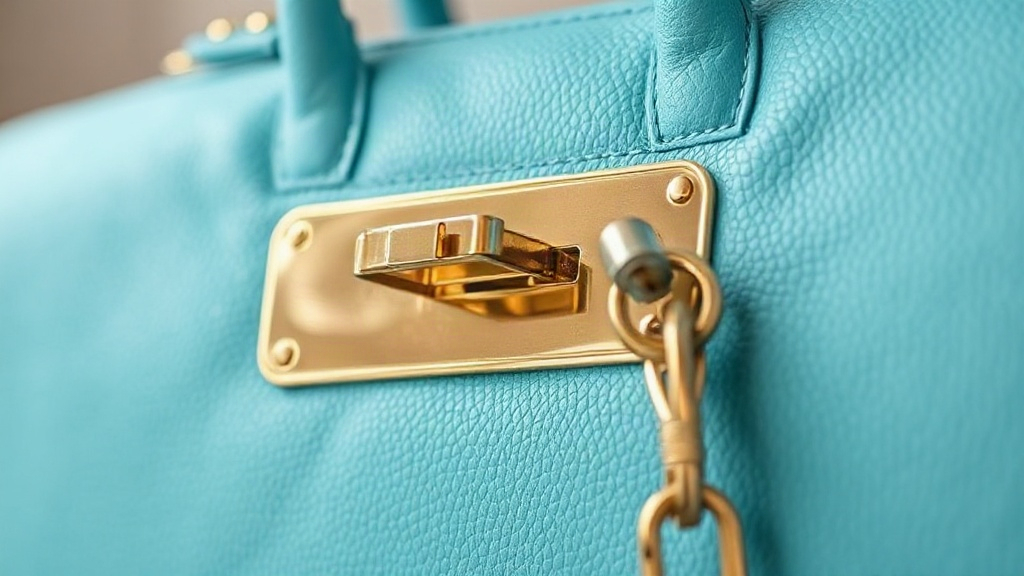
A scratched clasp or a cloudy chain can make an expensive handbag look tired long before the leather wears out. You can care for designer bags and keep metal details shiny with a few consistent habits, and none of them require a specialist. The good news is that most damage comes from small, avoidable choices: storing a bag by its strap, spraying perfume nearby, or wiping hardware with the wrong cloth. This guide explains what actually works, what quietly ruins plating, and how to build a routine you will stick to. If you enjoy styling ideas alongside practical advice, a girly fashion blog can be a pleasant companion to the steps below.
Quick answer: Wipe metal hardware with a soft dry cloth after each use, store bags stuffed and in dust bags away from humidity, and keep leather conditioned but never oversaturated. Clean hardware gently with mild soap and water, dry it fully, and avoid abrasive polishes, perfume, and hand sanitizer on plated metals.
What is care for designer bags and keep?
Care for designer bags and keep refers to the routine of cleaning, storing, and protecting a handbag so both the material and its metal fittings stay in good condition. It covers two linked jobs. The first is looking after leather, canvas, suede, or fabric. The second is protecting the hardware: clasps, chains, zippers, feet, rings, and logo plates.
Metal details are often the first part of a bag to show age. Gold-tone and silver-tone hardware is usually a thin plating over a base metal, not solid gold or silver. That plating wears away with friction, sweat, and harsh chemicals. Once it dulls or flakes, the bag looks older even when the leather is flawless.
Care is mostly prevention. A quick wipe after use, sensible storage, and the right cleaning products protect both surfaces at once. Here is what a basic kit looks like:
- Two microfiber cloths, one for leather and one for metal
- A soft-bristled brush for seams and canvas
- A leather conditioner matched to the material
- A dust bag for every bag you own
- Acid-free tissue paper for stuffing
Most designer hardware is plated, so the goal is to preserve the coating rather than polish the metal underneath. Gentle care keeps the finish intact far longer than any repair.
Takeaway: Treat hardware as a delicate surface, not a piece of jewelry you can scrub.
Why care for designer bags and keep matters
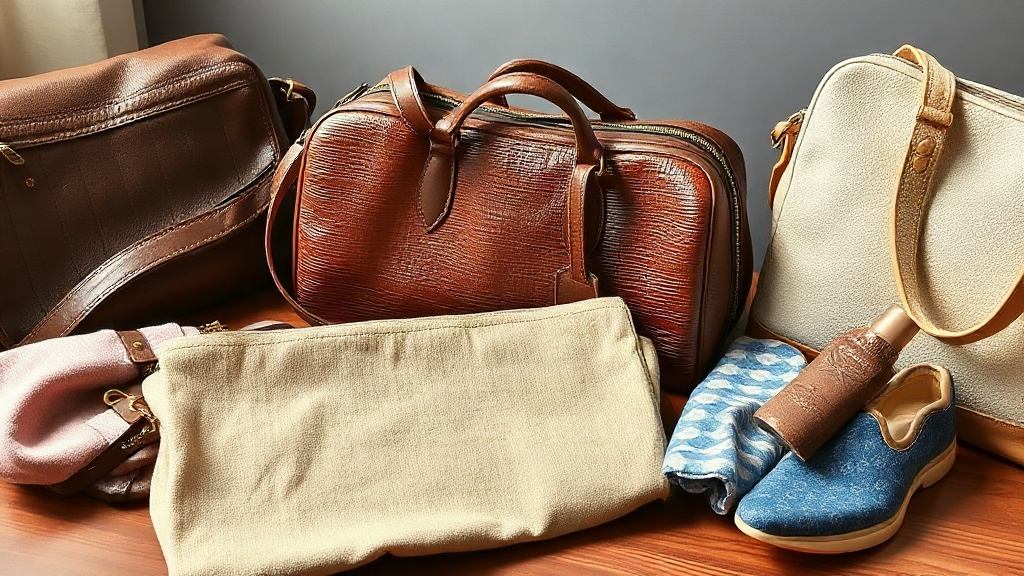
A well-kept bag holds value and looks better for years. Resale platforms reward bags with clean corners, intact hardware, and no odor. Small flaws lower offers quickly, especially when a chain has lost its shine or a clasp shows dark spots. Care protects that value with modest effort.
There is also a repair problem. Plated hardware is hard to refinish cleanly, and replacement parts are not always available for older styles. Once plating wears through, options narrow to professional restoration or accepting the wear. Prevention costs almost nothing by comparison.
Daily habits matter more than occasional deep cleans. A bag used five days a week collects skin oils, hand cream, and rain on its handles and hardware. Wiping it down takes under a minute and removes the film that dulls metal. Storing it properly overnight lets materials breathe and keeps straps from creasing.
Care also extends to the inside. Lining stains and pen marks do not show on the street, yet they affect how the bag feels to use and what a buyer will offer later. A tidy interior makes the whole bag feel maintained.
Takeaway: Consistent small habits protect both the appearance and the resale value of a bag.
Best practices
Good care comes down to a simple weekly routine and a few rules for storage. Work through these in order and you will cover the essentials.
Clean hardware gently after each use
Wipe clasps, chains, and zipper pulls with a dry microfiber cloth. For fingerprints or sticky residue, dampen the cloth slightly with mild soap and water. Dry immediately with a second cloth. Never leave moisture sitting on plated metal, because water spots can etch the finish. Avoid silver polish and abrasive creams on gold-tone hardware; they strip plating.
Handle leather with restraint
Apply conditioner sparingly with a soft cloth, then buff off the excess. Oversaturating leather softens it and can darken the color. Test any product on a hidden area first, such as the base or inside a pocket flap. Suede needs a brush and a protective spray rather than cream. If hardware has already dulled beyond cleaning, you can learn to fix faded bag hardware with a careful touch-up rather than replacing the bag.
Store bags stuffed and covered
Fill bags with acid-free tissue to hold their shape, fasten clasps, and lay chains inside the bag rather than letting them press into the leather. Place each bag in its dust bag on a shelf. Avoid hanging bags by their straps for long periods, since this stretches the leather and strains the hardware.
Control the environment
Keep bags away from direct sun, radiators, and damp basements. Humidity encourages tarnish and mold, while dry heat cracks leather. A closet shelf with steady airflow works well. Rotate bags so each one rests between uses.
Protect hardware from chemicals
Perfume, hairspray, hand sanitizer, and sunscreen all attack plating. Apply these products before you pick up the bag, and let them dry fully. Carry hand sanitizer in a pouch rather than loose in the bag.
Takeaway: Gentle cleaning, sensible storage, and chemical awareness do most of the work.
Common mistakes to avoid
Many bags age prematurely because of habits that seem harmless. Here are the ones that cause the most damage.
Wiping metal with paper towels. Paper towels and tissues are mildly abrasive. Used repeatedly on plated hardware, they create fine scratches that dull the shine.
Using the wrong cleaner on metal. Household cleaners, vinegar soaks, and metal polishes are too harsh for plated finishes. Mild soap and water, applied sparingly, is the safer choice.
Storing bags in plastic bags or airtight bins. Plastic traps moisture, which leads to mold and tarnish. Breathable cotton dust bags are the better option.
Overconditioning leather. More product does not mean more protection. Excess conditioner clogs the surface, attracts dust, and can leave a sticky film that transfers to hardware.
Leaving chains pressed against the bag. Stored carelessly, a chain leaves dents and dark marks on leather. Coil it inside the bag or wrap it in tissue.
Ignoring the handles. Handles collect oils from skin and hand cream. Wipe them regularly, and consider a twilly wrap if you carry the bag daily.
Letting a wet bag dry near heat. If a bag gets rained on, blot it and let it air-dry at room temperature. Radiators and hair dryers warp leather and lift plating.
Skipping the interior. Crumbs, loose pens, and makeup leaks damage linings. Empty and wipe the inside monthly.
Takeaway: Most damage comes from abrasion, moisture, and harsh products, and all three are easy to avoid.
FAQ
How often should I clean my designer bag’s hardware?
Wipe metal details with a dry cloth after every use, and give the bag a fuller clean once a month. If you carry it daily, check the clasp and chain weekly for dull spots or residue.
Can I use jewelry polish on bag hardware?
No. Jewelry polish is formulated for solid metals and can strip plating from bag hardware. Stick to mild soap, water, and a soft microfiber cloth, then dry fully.
Is it safe to store my bag in its dust bag long term?
Yes, as long as the bag is clean, stuffed with acid-free tissue, and stored in a dry spot. Never seal a damp bag in a dust bag, because trapped moisture causes mold and tarnish.
What causes gold-tone hardware to fade?
Friction, sweat, hand creams, perfume, and repeated wiping with abrasive materials all wear down plating. Rotating bags and wiping gently slows the process noticeably.
Should I condition the leather more often to protect the metal?
No. Overconditioning leaves residue that transfers onto hardware and attracts dust. Condition two to four times a year, depending on how often you use the bag.
Conclusion
Protecting a designer bag is mostly about small, repeatable habits. Wipe hardware after each use, clean with mild soap only, store bags stuffed and covered in a dry space, and keep perfume and sanitizer away from plated metal. These steps preserve both the finish and the leather, and they take only minutes a week. Pick one bag this evening, empty it, wipe the hardware, and set it up properly for storage. That single action is the start of a routine that will keep your collection looking sharp for years.
