


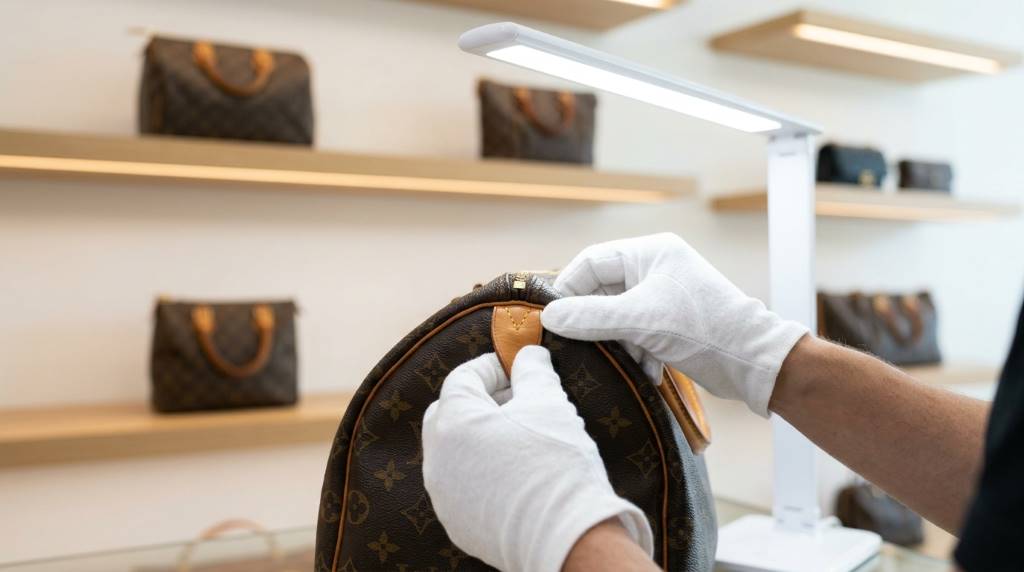
Miami’s luxury resale market is booming, with designer purses ranking among the most sought-after items. Studies show that the global secondhand luxury market is projected to reach $77 billion by 2026, and Miami is a key player in this growth. For resellers, ensuring the authenticity of a designer purse is not just about trust but also about protecting their reputation and bottom line. A single counterfeit item can damage a business irreparably. This is why knowing how to verify items like an authentic Gucci bag verification is a critical skill for every fashion reseller in the city.
Why Authenticity Matters in Miami’s Luxury Resale Market
The stakes are high in Miami’s luxury resale scene. Buyers in this market are savvy and demand proof of authenticity before making a purchase. Selling a counterfeit purse, even unknowingly, can lead to legal trouble, loss of customer trust, and damage to your brand. In a city where word of mouth spreads fast, maintaining a reputation for selling only authentic items is non-negotiable.
Additionally, Miami’s proximity to Latin America, where counterfeit goods are rampant, means resellers must be extra vigilant. The city’s ports and tourist traffic make it a prime entry point for fake luxury items. This reality makes the ability to spot fakes not just a skill but a necessity for survival in the local market.
The Step-by-Step Process to Verify Designer Purse Authenticity
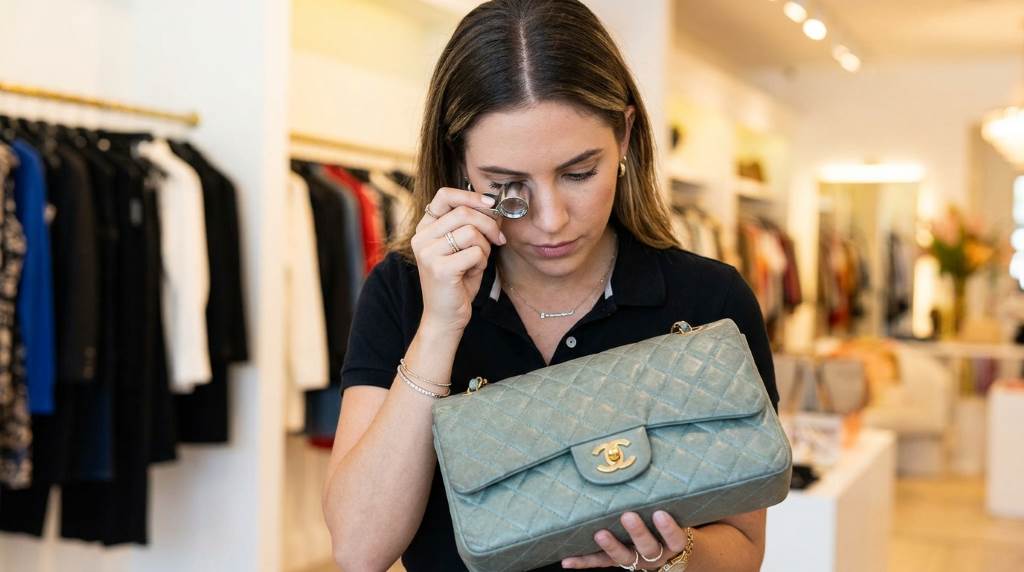
Examine the Craftsmanship and Materials
The first step in verifying a designer purse is to inspect its craftsmanship and materials. Luxury brands use high-quality materials like full-grain leather, precise stitching, and durable hardware. For example, a genuine Chanel purse will have even, tight stitching with no loose threads. The leather should feel supple yet firm, not plastic-like or overly stiff.
Pay close attention to the details. Logos should be perfectly aligned, with no smudging or uneven spacing. Zippers, buttons, and other hardware should feel heavy and substantial, not lightweight or flimsy. In Miami’s humid climate, authentic leather may develop a natural patina over time, while counterfeit materials often peel or crack.
Check the Serial Numbers and Authenticity Cards
Most designer purses come with serial numbers, authenticity cards, or hologram stickers. These should match the brand’s official records. For instance, Louis Vuitton bags often have a date code stamped inside, which can be cross-referenced with the brand’s production history. However, be wary of replicated serial numbers, as counterfeiters are becoming increasingly sophisticated.
Always verify the serial number with the brand’s official database or a trusted authentication service. Some brands, like Gucci, have unique serial number formats that can be checked online. For those new to the process, resources like an authentic Gucci bag verification guide can be invaluable.
Inspect the Interior and Exterior Labels
The labels inside and outside the purse are often the easiest way to spot a fake. Authentic designer purses have labels that are neatly stitched or embossed, with clear, crisp fonts. Misspellings, uneven lettering, or poor-quality printing are red flags. For example, a real Hermès bag will have a blind stamp that is deep and precise, not shallow or blurry.
Also, check the placement of the labels. Many counterfeit purses have labels in the wrong location or use incorrect fonts. Brands like Prada and Dior have specific label placements that are consistent across their product lines. Familiarize yourself with these details to avoid being fooled by a convincing fake.
Use Technology and Professional Authentication Services
In today’s digital age, technology plays a crucial role in authentication. Many resellers in Miami use apps and devices that can scan a purse’s serial number or RFID tag to verify its authenticity. Some luxury brands, like Chanel and Louis Vuitton, now include NFC chips in their products, which can be scanned with a smartphone to confirm their legitimacy.
For high-value items, consider using professional authentication services. Companies like Entrupy and Real Authentication offer expert verification, often with a certificate of authenticity. These services use a combination of human expertise and AI to detect even the most convincing fakes. While there is a cost involved, it is a small price to pay for peace of mind and protection against costly mistakes.
Unique Challenges in Miami’s Climate
Miami’s tropical climate presents unique challenges for verifying the authenticity of designer purses. The high humidity and heat can cause materials to behave differently than in other regions. For example, genuine leather may develop a richer patina in Miami’s climate, while counterfeit materials may deteriorate faster or develop unnatural discoloration.
Resellers should also be aware of how the local climate affects the wear and tear on purses. Authentic leather goods often age gracefully, developing a natural sheen or softness over time. In contrast, counterfeit materials may crack, fade, or peel, especially when exposed to Miami’s intense sunlight and moisture. These climate-specific wear patterns can be a telling sign of a purse’s authenticity.
Common Mistakes to Avoid When Authenticating Purses
One of the most common mistakes resellers make is relying solely on a single authentication method. For example, checking only the serial number or only the stitching can lead to oversight. Counterfeiters are skilled at replicating one or two features perfectly, so it is essential to use a multi-point inspection process.
Another mistake is ignoring the purse’s packaging. Authentic designer purses come with high-quality dust bags, boxes, and care booklets. Counterfeit items often have packaging that feels cheap or looks slightly off. For instance, a real Louis Vuitton dust bag will have a specific texture and color that is hard to replicate. Always inspect the packaging as part of your authentication process.
Lastly, do not underestimate the importance of staying updated. Counterfeiters constantly improve their methods, so what worked to spot a fake last year may not be effective today. Join online communities, attend industry workshops, and follow authentication experts to stay informed about the latest trends and techniques in counterfeiting.
Building Trust with Buyers Through Transparency
Transparency is key to building trust with buyers in Miami’s luxury resale market. Always provide detailed photos of the purse, including close-ups of the stitching, labels, serial numbers, and hardware. Include a description of the authentication process you used and any certificates of authenticity you obtained. This level of detail reassures buyers that they are purchasing a genuine item.
Consider offering a money-back guarantee or a return policy for authenticated items. This not only builds confidence but also shows that you stand behind the authenticity of your products. Additionally, sharing stories about how you verified a particularly challenging item can add a personal touch and further establish your credibility.
For those looking to enhance their styling knowledge, understanding how to choose accessories for romantic vintage inspired looks can also help resellers connect with buyers who value authenticity in both their purchases and their style.
Case Study: A Miami Reseller’s Success Story
Take the example of a Miami-based reseller who specializes in high-end designer purses. By implementing a rigorous authentication process, including craftsmanship inspection, serial number verification, and professional authentication services, they were able to build a loyal customer base. Their attention to detail and commitment to transparency set them apart in a competitive market.
This reseller also took the time to educate their customers about the authentication process, sharing tips and insights on their social media platforms. This not only positioned them as an expert in the field but also fostered a sense of community among their buyers. As a result, their business grew rapidly, and they became a trusted name in Miami’s luxury resale scene.
Tools and Resources for Miami Resellers
For resellers in Miami, there are several tools and resources available to help with authentication. Apps like CheckCheck and Legit Grails allow you to scan serial numbers and receive instant verification. Websites like PurseBlog and The RealReal offer guides and tutorials on how to spot fakes for various designer brands.
Local workshops and networking events are also valuable resources. Organizations like the Fashion Business Association often host events where resellers can learn from industry experts and connect with other professionals. Additionally, online forums and Facebook groups dedicated to luxury resale can provide support and advice from experienced resellers.
For those interested in expanding their knowledge beyond purses, learning how to style outfits not too tight not too baggy can also be a valuable skill for resellers looking to offer a more holistic service to their clients.
Conclusion
Verifying the authenticity of designer purses is a critical skill for fashion resellers in Miami, FL. By combining traditional methods with modern technology and staying informed about the latest counterfeiting trends, resellers can protect their business and build trust with their customers. Remember, authenticity is not just about spotting fakes it is about ensuring every item you sell meets the high standards that luxury buyers expect.
Start by implementing a multi-point inspection process, using both human expertise and technological tools. Stay updated on the latest authentication techniques and be transparent with your buyers. By doing so, you will not only avoid the pitfalls of counterfeit goods but also establish yourself as a trusted name in Miami’s thriving luxury resale market.
Ready to take your authentication skills to the next level? Invest in professional tools, join industry communities, and never stop learning. Your reputation and your customers will thank you.
FAQ
How can I tell if a designer purse is authentic?
Inspect the craftsmanship, materials, serial numbers, and labels, and use professional authentication services if needed.
What are the most commonly counterfeited designer purse brands?
Louis Vuitton, Chanel, Gucci, and Hermès are among the most frequently counterfeited brands.
Can I verify a purse’s authenticity using only an app?
While apps can help, they should be used in conjunction with other methods for a thorough verification.
How does Miami’s climate affect purse authentication?
Humidity and heat can cause genuine leather to develop a patina, while counterfeit materials may deteriorate faster.
What should I do if I accidentally sell a counterfeit purse?
Offer a full refund, apologize to the buyer, and review your authentication process to prevent future mistakes.
