


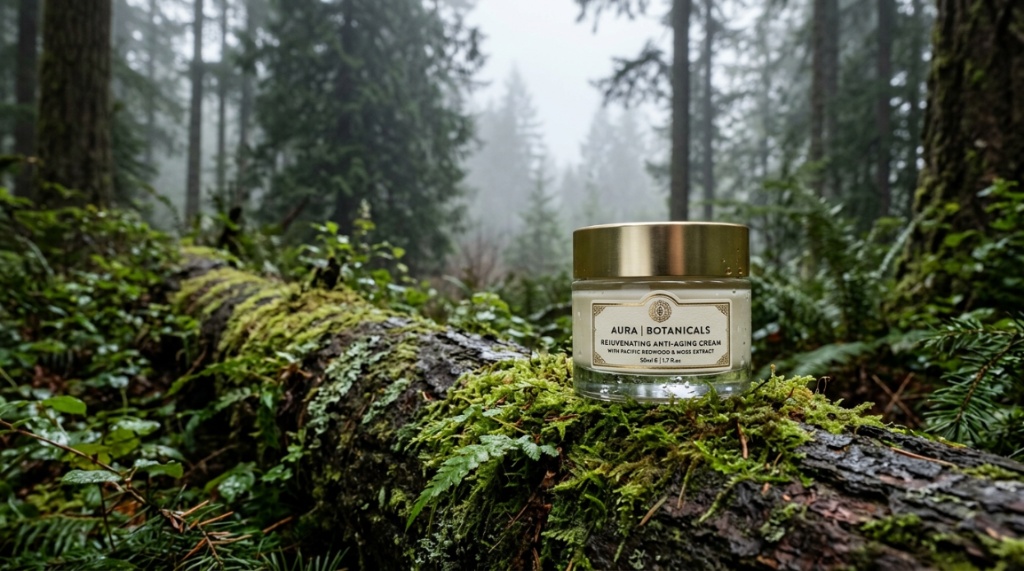
Living in the Pacific Northwest means embracing rain, mist, and unpredictable temperature swings. But what works for skin in Arizona or Florida often falls short here. The unique humidity levels, seasonal light changes, and hard water in areas like Seattle or Spokane demand a strategic approach to skincare. You need an anti-aging cream Washington residents can trust to protect the skin barrier against constant environmental shifts. Choosing the wrong formula can lead to dryness, irritation, or clogged pores. This guide breaks down exactly how to select a cream that thrives in the Evergreen State’s specific conditions.
Why Does the Washington Climate Affect Your Anti-Aging Cream Choice?
Washington’s climate is not uniform. The west side is humid and rainy; the east side is drier and sunnier. This split means your skin faces different stressors depending on your exact location. A one-size-fits-all approach rarely works. The key is to understand how moisture levels, water hardness, and UV exposure interact with active ingredients.
The Humidity Factor: West vs. East Washington
West of the Cascades, humidity often exceeds 70%. This high-moisture air is generally good for skin, but it can cause heavy creams to sit on the surface, leading to congestion. In contrast, eastern Washington experiences lower humidity, especially in summer. Skin here needs richer emollients to prevent transepidermal water loss.
Hard Water and Its Impact on Skin Aging
Many Washington municipalities have moderately hard water. Minerals like calcium and magnesium can build up on the skin. This residue may block the penetration of your anti-aging peptides or retinol. A cream with a slightly acidic pH or chelating agents can help counteract this mineral film.
Which Ingredients Should You Prioritize for Rainy, Low-Sun Days?
On cloudy days, you might skip sunscreen, but UVA rays still penetrate cloud cover. In Washington, you need ingredients that repair oxidative stress from intermittent UV exposure while also strengthening the skin’s moisture barrier. Look for formulas that combine antioxidants with barrier-repairing lipids.
Hyaluronic Acid and Glycerin: The Humectant Base
These draw moisture from the air. In humid western Washington, they work beautifully. However, in dry eastern Washington, humectants need an occlusive layer on top, like shea butter or squalane, to prevent pulling moisture from deep skin layers.
Niacinamide and Ceramides: Barrier Support for Wind and Rain
Wind-driven rain can strip the stratum corneum. Niacinamide boosts ceramide production. Ceramides act like mortar between skin cells. A cream with both helps your skin resist the chapping effect of cold, wet winter air.
How Does Seasonal Change Alter Your Cream’s Texture Requirements?
Your winter cream will not work well in July. The temperature swings in Washington are extreme. Summer can peak at 90°F, while winter dips below freezing. Adjusting the texture—from a light gel to a rich balm—is critical for effective anti-aging treatment.
Spring and Fall: The Transitional Gel-Cream
During these mild, rainy months, a gel-cream hybrid works well. It provides hydration without heaviness as temperatures fluctuate. Look for a water-based formula with peptides to maintain collagen production during these transitional periods.
Winter Protection: Occlusives for Freezing Nights
Cold air holds less moisture. This forces water out of your skin. In December, you need a thicker cold cream. Petrolatum, lanolin, or dimethicone are effective occlusives. They trap existing moisture and allow anti-aging actives to work overnight.
Can You Use the Same Anti-Aging Cream All Year in Washington?
Technically, yes, but it is not optimal. A single product cannot adapt to a 40-degree temperature difference. Using a heavy cream in July may cause breakouts. Conversely, using a light lotion in January leaves your skin vulnerable to dryness and fine lines.
Signs Your Cream Is Wrong for the Season
Check for these indicators: a tight feeling after cleansing in the morning, flaky patches around the nose, or an oily sheen by midday. These are signals that your cream’s weight and occlusive properties do not match the current weather patterns.
Rotation Strategy: Two Creams to Alternate
Keep a lightweight day cream with SPF for summer and a richer night cream for winter. This dual approach is cost-effective and ensures your skin gets the right molecular weight lipids and humectants for each seasonal stressor. It is smarter than one “all-purpose” product.
How to Budget for a Quality Anti-Aging Routine in Seattle or Spokane
Price does not always equal efficacy, but cheap fillers often lack the concentration needed for real results. However, you do not need to spend $200 per jar. Look for clinical doses of actives. A mid-range product with 0.1% retinol and 5% vitamin C is more effective than a luxury cream with a tiny amount of actives.
Where to Invest: Concentrates vs. Moisturizers
Spend on serums and treatments. Your moisturizer is a delivery vehicle. It is more important that a moisturizer provides a proper occlusive seal and barrier lipids. The expensive peptide complex belongs in a serum layer beneath your moisturizer.
Affordable Washington-Friendly Drugstore Finds
Brands like CeraVe, La Roche-Posay, and Neutrogena offer solid barrier creams with ceramides and niacinamide. For a drugstore option, check for a cream that lists “dimethicone” or “mineral oil” in the first five ingredients if you live in the dry eastern region.
When Should You Apply Anti-Aging Cream for Maximum Effect?
Timing is important. Apply a moisturizer within 60 seconds of washing your face. This locks in Washington’s anti-aging cream active ingredients. In humid conditions, wait one minute after cleansing to let excess water evaporate before applying your cream to avoid pilling.
Morning Application for Rain Protection
Use a cream with antioxidants like vitamin C before SPF. This neutralizes free radicals from the sun that passes through clouds. In western Washington, use a lighter lotion to prevent shiny skin under your rain gear hood.
Nighttime Repair After Wind Exposure
At night, your skin repairs itself. Use a heavier cream with retinol or peptides. The occlusion from the cream enhances cell turnover. This is the time to address deeper wrinkles and elasticity loss that the daytime moisture loss causes.
Is SPF in Your Anti-Aging Cream Enough for Washington Summers?
No. Even in cloudy Washington, you need a dedicated sunscreen in addition to your moisturizer. The UV index can be high, especially in the eastern high desert areas. If your anti-aging cream contains SPF 15, you are not fully protected, especially if you are outdoors for extended periods.
The Layering Rule: Cream, Then SPF
Apply your anti-aging treatment cream first. Wait five minutes. Then apply a separate water-resistant SPF 30 or higher. Combine the two only if you are in a rush and indoors most of the day. For outdoor activities like hiking in the Olympics, a separate SPF is non-negotiable.
What About “Broad Spectrum” Claims?
Check the label. It must say “Broad Spectrum” to protect against both UVA and UVB. Many moisturizers with SPF are only against UVB. This gives a false sense of security. UVA rays cause collagen breakdown and premature aging, not just sunburn.
Comparison of Cream Textures for Different Washington Microclimates
Region Climate Type Best Texture Key Ingredients: Example Use Case: West (Seattle, Tacoma) Humid, rainy gel, lotion, hyaluronic acid, niacinamide, morning under SPF, East (Spokane, Tri-Cities) Arid, sunny. Rich cream, balm, shea butter, Ceramides, peptides. Night repair. Cascade Foothills: Cold, snowy cream with squalane. Squalane, glycerin protection against windburnPuget Sound CoastSalty air, windy Barrier cream Petrolatum, Dimethicone Sealing after serum
How to Test a New Cream Without Causing a Skin Crisis
Your skin barrier is delicate. Introducing a new active ingredient during a cold snap can cause irritation. Patch testing is mandatory. However, in Washington’s changing weather, you also need to consider the indoor environment. Forced air heating in winter dries out the skin, making it more reactive.
Step-by-Step Patch Test for Sensitive Washington Skin
Apply the cream to a small area behind your ear or on your inner forearm. Do this for 3 to 5 nights. If no redness or stinging occurs, apply it to your face. This process protects you from a full-face allergic reaction during a busy work week.
Adjusting Application Amount
Start with a pea-sized amount. In humid weather, use a very thin layer. In dry weather, you might need two passes. Do not overload the skin. This can cause mile-a-minute irritation and small breakouts, which are often confused with an allergic reaction but are actually overhydration.
How to Layer Anti-Aging Cream with Serums and Oils
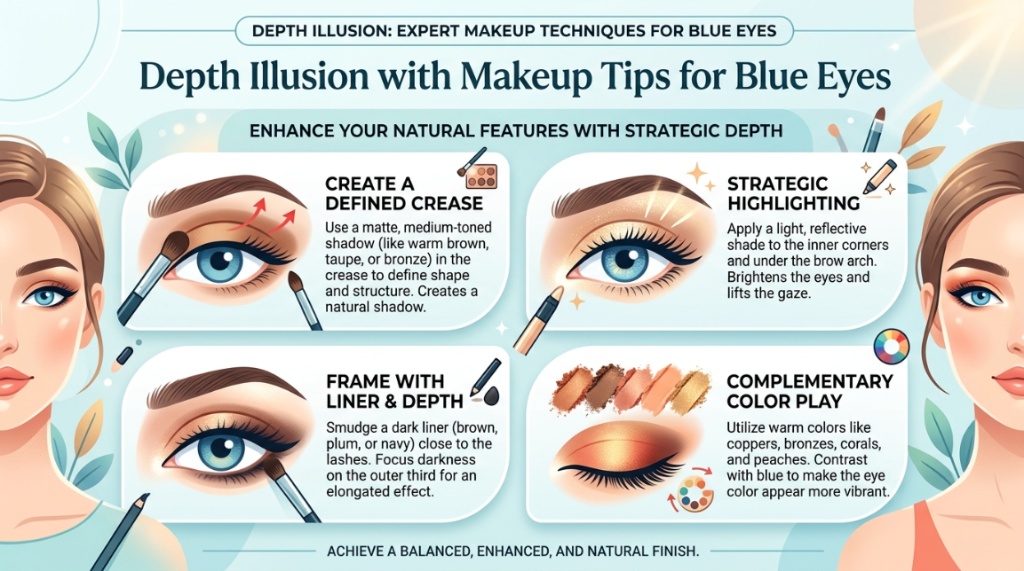
Correct layering maximizes efficacy. It is not just about the cream itself. In Washington, where indoor humidity drops in winter, the layering process from toner to oil is critical. The order determines whether the product’s actives penetrate or just sit on the surface. To complement your fresh skincare routine and highlight your features against natural weather tones, explore these expert techniques: Depth Illusion with Makeup Tips for Blue Eyes
The Water-to-Oil Rule
Apply watery products (toners, essences) first. Then apply treatments (vitamin C, retinol). Follow with your anti-aging cream. Finally, in very dry conditions, lock in with a facial oil like marula or squalane. This creates an emulsion that matches the skin’s natural lipid structure.
Why Pilling Occurs in Humid Spells
In high humidity, your skin may be damp. This dilutes the cream and causes it to ball up. Pat your face dry with a towel and wait 2 minutes after cleansing. This allows the skin to reach its natural pH, ensuring the cream spreads smoothly without pilling.
Which Anti-Aging Creams Are Best for Mature Skin Over 50 in This Climate?
As skin ages, sebum production decreases. This is particularly noticeable in dry eastern Washington. For older skin, look for creams with a heavier fatty acid content. Bakuchiol is a gentle alternative to retinol for sensitive, mature skin that reacts to cold wind.
Targeting Deep Wrinkles in Low-Light Environments
Vitamin C derivatives, like ascorbyl glucoside, are more stable than pure L-ascorbic acid. They are less irritating in cooler temperatures. Additionally, collagen-boosting peptides from Matrixyl or copper peptides work well under a rich barrier cream.
Combating the “Ashiness” of Dry Winter Skin
If your skin looks white or grey in winter, you need more humectants. Look for petrolatum as the second ingredient. It is the gold standard for preventing moisture loss and restoring a healthy glow. It is not glamorous, but it is highly effective for mature Washington skin.
Frequently Asked Questions
Do I really need a heavy cream in Washington if I am oily?
Yes, if you use retinol or other drying actives. Even oily skin can experience dehydration, which leads to overproduction of oil. Use a gel-cream with hyaluronic acid during the day to maintain balance, even in rainy weather.
Can I skip moisturizer because of the humidity?
No. Humidity cannot penetrate a damaged skin barrier. You still need a lightweight moisturizer to seal in hydration and actives. Without it, your serums have no way to bind to the skin.
How often should I exfoliate in this climate?
Limit to 1-2 times per week. Over-exfoliating in Washington’s climate, especially with hard water, can weaken the barrier. Use a lactic acid cleanser instead of harsh physical scrubs to gently dissolve dead skin without stripping moisture.
Are expensive luxury creams better for this environment?
Not necessarily. Price does not guarantee protection against wind or rain. Look for specific occlusive ingredients and scientifically measured concentrations of peptides. A $30 cream with 10% niacinamide and ceramides can outperform a $150 cream with low concentrations.
Conclusion: Building Your Washington Skin Shield
Thriving skin in Washington is about adaptation, not just product quality. You must match your cream’s texture to the season and your specific microclimate. Start with a reliable barrier cream that contains ceramides and hyaluronic acid. Add a separate SPF for daytime. In winter, switch to a richer balm. In summer, use a lightweight gel. Monitor your skin for tightness or oiliness to adjust your routine. The goal is to keep your barrier healthy so that active anti-aging ingredients can work effectively. Begin by evaluating your current cream against the upcoming weather forecast. If it is not matching, change it now, not later.
