


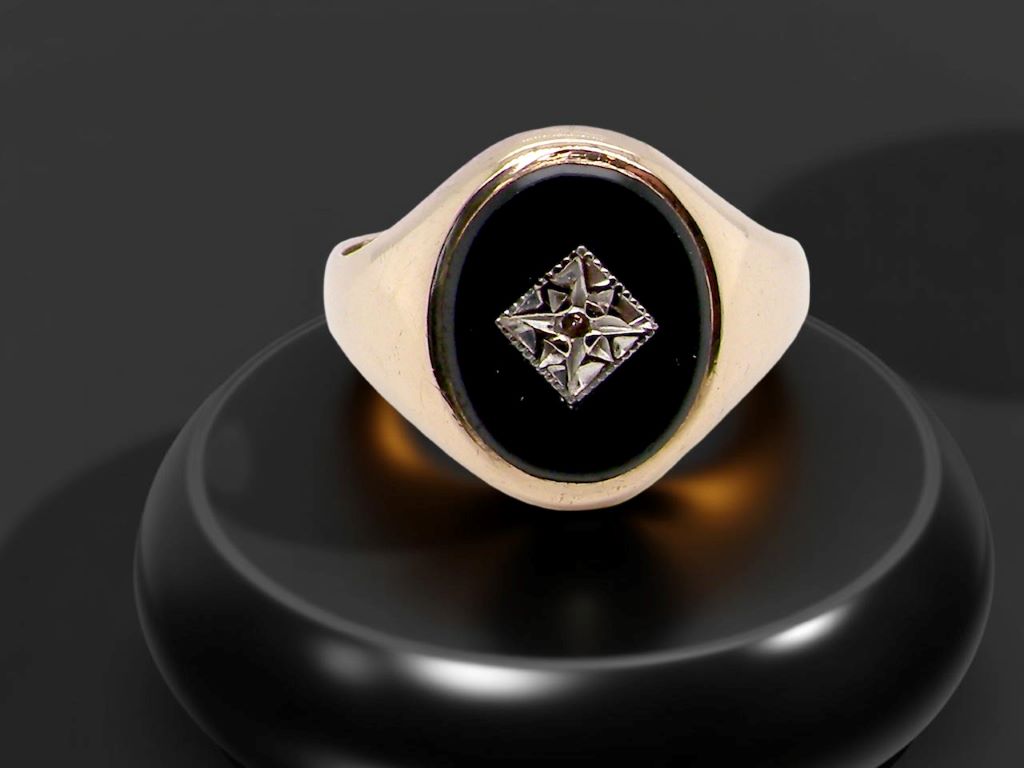
Have you ever wondered about the stories etched into the very metal of the jewelry we wear? Beyond fleeting trends and dazzling gems, some pieces carry a weight of history, a whisper of power, and a legacy that stretches back millennia. Among these, few are as captivating as the humble yet magnificent signet ring. The enduring allure of signet rings lies not just in their design, but in their timeless role as more than mere ornaments—they have been silent witnesses to empires rising and falling, pacts being sealed, and personal identities being forged. From the dusty annals of ancient civilizations to the polished showcases of contemporary fashion, their journey is a fascinating tapestry of utility, artistry, and symbolic meaning.
But what exactly is a signet ring, and why has it persisted through countless generations, adapting and evolving while retaining its core essence? Join us as we embark on a captivating exploration of the signet ring’s rich history, uncovering its origins as essential tools of authority, its transformation into symbols of status and lineage, and its remarkable resurgence as a potent statement piece in the modern era. Prepare to have your perceptions of this iconic piece of jewelry forever transformed.
A Journey Through Time: The Ancient Roots of the Signet Ring
To truly appreciate the signet ring, we must travel back – far, far back – to a time when literacy was rare, and the concept of a personal signature was unknown. In ancient civilizations, communication, contracts, and decrees relied heavily on seals. These weren’t simply decorative stamps; they were the ultimate mark of authenticity, a tangible representation of an individual’s authority and identity.
Mesopotamia and Egypt: The Cradle of Cylinder Seals and Scarabs
Our journey begins in Mesopotamia, the “cradle of civilization,” around 3500 BC. Here, we find the earliest precursors to the signet ring: cylinder seals. These small, cylindrical objects, often made from stone, were intricately carved with designs, symbols, and cuneiform script. Rolled across wet clay, they left a continuous impression, serving as a signature on documents, property, and even doors. The images on these seals often depicted mythological scenes, deities, or the owner’s profession, offering a fascinating glimpse into the beliefs and daily lives of ancient peoples.
Shortly after, in ancient Egypt, the scarab ring emerged as a prominent form of signet. These rings featured a carved beetle (the scarab, a symbol of rebirth and regeneration) on a swivel or fixed setting, with the flat underside bearing hieroglyphs or royal cartouches. Pharaohs, nobles, and high-ranking officials used these rings to authorize documents and protect their possessions. The scarab’s symbolic significance further elevated these rings beyond mere practical tools, imbuing them with spiritual power and protective qualities.
The Greco-Roman Era: Gems, Gods, and Imperial Authority
As the curtain rose on the classical world, the signet ring continued its evolution. The ancient Greeks, renowned for their artistic prowess, began incorporating engraved gemstones into rings. These intaglio carvings, featuring exquisite mythological scenes, portraits of deities, or personal symbols, were not only beautiful but also served as seals for correspondence and official decrees.
It was during the Roman Empire, however, that the signet ring truly cemented its status as an indispensable symbol of authority and social standing. Roman citizens, particularly those of the equestrian and senatorial classes, proudly wore their signet rings, often featuring finely carved portraits of ancestors, personal emblems, or allegorical figures. The famed “Ring of the Fisherman,” still used by the Pope today, is a direct descendent of these Roman traditions, highlighting the enduring connection between signet rings and ecclesiastical power. The act of breaking a Roman signet ring upon the owner’s death was a solemn ritual, signifying the end of their legal identity.
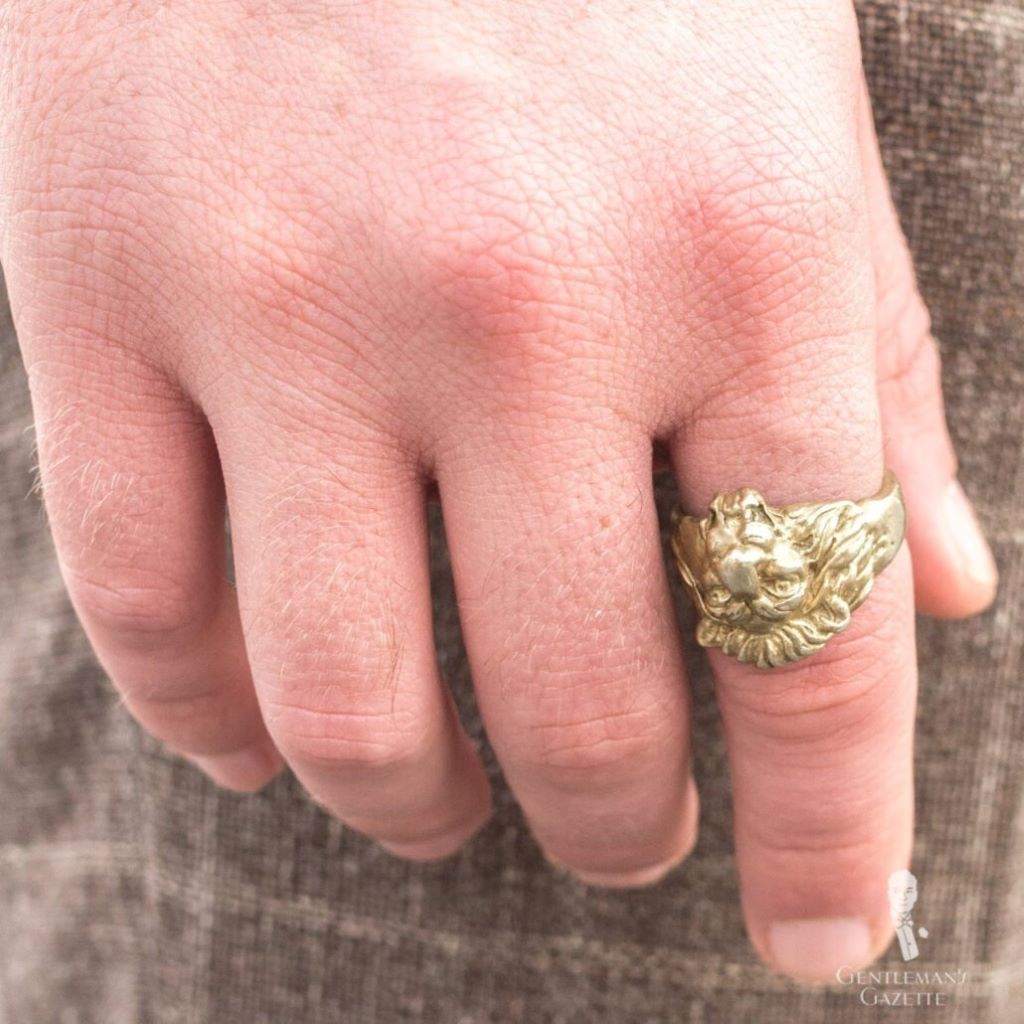
The Medieval and Renaissance Eras: Lineage, Power, and Secret Societies
With the decline of the Roman Empire and the dawn of the Middle Ages, the signet ring continued its vital role. Literacy remained limited, making the unique impression of a signet an irreplaceable form of identification and authentication.
Feudal Lords and Heraldic Emblems
During the medieval period, signet rings became intrinsically linked to heraldry and family lineage. Knights and feudal lords used their rings to stamp wax seals on charters, treaties, and letters, solidifying agreements and demonstrating their authority. The crests, coats of arms, and mottoes engraved on these rings were powerful visual identifiers, instantly recognizable and deeply meaningful to the families they represented. These rings were often passed down through generations, becoming cherished heirlooms that embodied the family’s history and prestige.
The Renaissance: Artistry, Intrigue, and Personal Expression
The Renaissance, a period of unparalleled artistic flourishing and intellectual curiosity, brought a new level of sophistication to signet rings. Goldsmiths and engravers perfected their craft, producing rings of exquisite beauty and intricate detail. While still serving practical purposes, these rings also became powerful expressions of personal style and intellectual affiliation.
Princes, merchants, and scholars commissioned rings with elaborate allegorical scenes, classical motifs, or personalized ciphers. The rise of secret societies and burgeoning trade also saw the use of signet rings for clandestine communication and the identification of members. The signet ring was no longer just a tool; it was a wearable work of art, a symbol of erudition, and a discreet mark of belonging.
The Modern Era: From Decline to Resurgence as a Fashion Statement
The invention of the printing press in the 15th century and the subsequent rise of widespread literacy gradually diminished the signet ring’s primary function as a sealing device. As written signatures became the norm, the practical necessity of the signet ring waned. By the 19th and early 20th centuries, they became more associated with aristocratic families, military officers, and members of exclusive clubs, serving primarily as a symbol of tradition and social status rather than a tool for authentication.
However, the story of the signet ring doesn’t end there. In recent decades, this timeless piece of jewelry has experienced a remarkable resurgence, transitioning from a historical artifact to a highly coveted contemporary accessory.
A Symbol of Identity and Self-Expression
Today, the signet ring has been reimagined and embraced by a diverse audience. While some still cherish family crests and inherited pieces, many are drawn to the signet ring for its ability to convey personal identity and self-expression. Individuals are opting for rings engraved with:
- Monograms and Initials: A classic and elegant way to personalize the ring.
- Meaningful Symbols: Astrological signs, spiritual symbols, or designs representing personal values.
- Artistic Interpretations: Abstract designs, minimalist patterns, or even contemporary art.
- Birthstones: Adding a pop of color and a personal touch.
- Professional Emblems: A subtle nod to one’s career or achievements.
The appeal lies in its versatility. It can be a bold statement piece or a subtle accent, worn on any finger (though traditionally the pinky finger for men, and often the ring finger or middle finger for women). This adaptability makes it suitable for both casual wear and formal occasions, adding a touch of sophistication and individuality to any ensemble.
Gender Fluidity and Enduring Appeal
What was once predominantly a masculine accessory has also transcended gender boundaries. Women are increasingly embracing signet rings, appreciating their substantial feel, classic aesthetic, and the opportunity for personalized expression. This shift reflects a broader trend in jewelry towards pieces that are both meaningful and stylish, regardless of traditional gender associations.
The modern signet ring often comes in various metals – gold, silver, platinum – and can be adorned with precious stones or left unadorned to highlight the engraving. This wide range of options ensures that there’s a signet ring to suit every taste and budget, making it an accessible luxury that carries significant personal weight.
FAQs About Signet Rings
Q1: What is the primary purpose of a signet ring?
A1: Historically, the primary purpose of a signet ring was to create a unique wax seal to authenticate documents, letters, and property, serving as a personal signature. Today, while some still use them for sealing, their main purpose has shifted to personal expression, style, and a symbol of identity or heritage.
Q2: Which finger do you wear a signet ring on?
A2: Traditionally, men often wore signet rings on the pinky finger (little finger) of their non-dominant hand. However, there are no strict rules today. Many people choose to wear them on their ring finger, middle finger, or even the index finger, depending on comfort and personal style.
Q3: Are signet rings only for men?
A3: Absolutely not! While historically more common among men, signet rings are increasingly popular with women who appreciate their classic design, versatility, and the ability to personalize them with meaningful engravings.
Q4: What kind of designs can be engraved on a signet ring?
A4: The possibilities are vast! Common designs include family crests, monograms (initials), historical symbols, meaningful allegories, astrological signs, abstract patterns, or even a simple unadorned polish. The choice depends entirely on personal preference and the story you wish to tell.
Q5: How do I choose the right signet ring for myself?
A5: Consider the metal type (gold, silver, platinum), the shape of the face (oval, round, cushion, square), and most importantly, the engraving. Think about what truly represents you or holds significance for you. Do you want a subtle initial, a bold symbol, or something entirely unique?
The Legacy Continues: Your Story, Etched in Metal
From the ancient empires of Mesopotamia to the bustling streets of today, the signet ring has endured, constantly reinventing itself while retaining its profound significance. It is a testament to humanity’s enduring need for identity, authority, and connection – a tangible link to our past, present, and future.
More than just a piece of jewelry, a signet ring is a canvas for your story, a personal emblem that speaks volumes without uttering a single word. It is an investment in a piece of history, a symbol of who you are, and a legacy to be cherished.
Read More: 6 types of rings for every occasion
