


Finding the perfect bag for your fitness routine can feel overwhelming. With countless options available, making the right choice requires careful consideration. This guide will help you select a bag that withstands daily use and serves you well for years to come.
Understanding Your Fitness Lifestyle Needs
Before purchasing any bag, consider how you’ll actually use it. Different workout routines demand different features. If you hit the gym before work, you need compartments for both gym clothes and office attire. Weekend warriors might prefer lighter options for occasional use.
Think about your typical workout schedule. Do you exercise daily or just a few times weekly? Your frequency directly impacts the wear your bag experiences. Additionally, consider whether you’ll use it for other activities like weekend trips or sports events.
The distance between your home and gym matters too. Those who walk or bike need comfortable straps and weatherproof materials. Drivers can focus more on storage capacity and organization features.
Material Quality Makes All the Difference
The fabric of your bag determines its longevity. High-quality materials resist tears, water damage, and daily abuse. Several options exist, each with unique benefits.
Ballistic nylon stands out as incredibly tough. Originally developed for military use, this material handles rough treatment exceptionally well. It resists abrasion and maintains its shape over time. However, it tends to be heavier than alternatives.
Polyester offers excellent durability at a more affordable price point. Modern polyester blends often include water-resistant coatings. Look for denier ratings above 600 for superior strength. Higher numbers indicate thicker, more durable threads.
Canvas provides a classic look with impressive durability. This natural fiber becomes softer with age while maintaining its strength. Waxed canvas adds water resistance, making it suitable for various weather conditions.
Synthetic leather and genuine leather both work well for specific designs. Leather develops character over time and can last decades with proper care. Synthetic versions resist water better and require less maintenance.
Construction Details That Matter
Even the best materials fail without proper construction. Examine how manufacturers assemble their bags before making a purchase.
Stitching quality separates excellent bags from mediocre ones. Double or triple stitching at stress points prevents seams from splitting. Check corners, handles, and strap attachment points carefully. Reinforced stitching in these areas extends bag life significantly.
Zippers experience constant stress and often fail first. YKK zippers represent the industry standard for reliability. These Japanese-made closures resist jamming and breaking better than cheaper alternatives. Look for self-repairing zippers that realign automatically if they separate.
Hardware including buckles, D-rings, and clips should be metal rather than plastic. Metal components withstand weight and repeated use without cracking. Plastic hardware might save manufacturers money but rarely lasts more than a year of regular use.
The base of your bag takes the most punishment. Reinforced bottoms with additional padding or hard plastic protect contents and extend lifespan. Some bags include feet that keep the bottom elevated, preventing direct ground contact.
Essential Features for Long-Term Use
Certain features contribute significantly to a bag’s durability and functionality. Prioritize these elements when shopping.
Separate compartments keep sweaty clothes away from clean items. A dedicated shoe pocket with ventilation prevents odor buildup. Wet pockets made from water-resistant material protect other belongings from damp workout gear.
Padded laptop sleeves have become increasingly important. Many people head straight to work or coffee shops after exercising. Quality padding protects electronics from bumps and impacts during transport.
Adjustable straps accommodate different body types and carrying preferences. Padded shoulder straps distribute weight evenly, reducing strain during longer carries. Removable straps add versatility, allowing you to switch between shoulder and hand carrying.
Ventilation prevents mildew and unpleasant odors. Mesh panels or ventilated pockets allow air circulation. This feature becomes crucial if you sometimes leave your bag packed for extended periods.
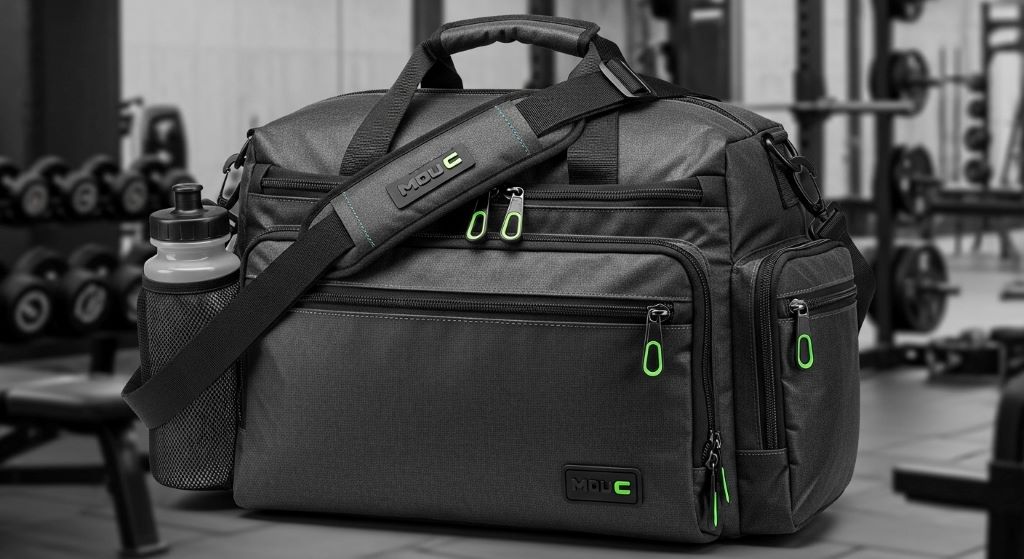
Water bottle pockets keep hydration accessible. External pockets work best, allowing you to grab water without opening the main compartment. Insulated versions maintain temperature for hours.
Size Considerations for Different Activities
Choosing the right size prevents future regrets. Too small means leaving items behind; too large encourages overpacking and unnecessary weight.
For basic gym sessions, a medium-sized durable gym duffel around 30-40 liters works perfectly. This accommodates shoes, clothes, toiletries, and a water bottle without excess bulk. It fits comfortably in gym lockers and car trunks.
CrossFit enthusiasts need slightly larger options. Jump ropes, lifting belts, wrist wraps, and other accessories require extra space. Look for bags in the 45-60 liter range with multiple organizational pockets.
Yoga practitioners can choose smaller, specialized bags. These typically include mat straps or sleeves and small pockets for keys and phones. Their compact design makes them ideal for walking or biking to class.
Team sports players require the most space. Uniforms, protective gear, and equipment demand larger bags, often 60 liters or more. However, ensure the bag remains manageable when fully packed.
Weekend warrior athletes benefit from convertible options. These bags expand or compress based on needs, providing flexibility for varying activities.
Brand Reputation and Warranty Coverage
Established brands often justify higher prices through superior quality and customer support. Research company reputations before committing to a purchase.
Customer reviews provide valuable insights into real-world performance. Pay attention to comments about durability, zipper quality, and how bags hold up after months of use. Look for patterns in feedback rather than isolated complaints.
Warranty coverage demonstrates manufacturer confidence in their products. Lifetime warranties suggest exceptional quality, though read the fine terms carefully. Some warranties cover manufacturing defects but not normal wear and tear.
Return policies matter equally. A generous return window lets you test the bag with your actual gym routine. If something feels off after a few uses, you can exchange it without financial loss.
Consider the brand’s customer service reputation. Companies that respond quickly to concerns and honor warranties without hassle provide better long-term value. Check independent review sites for unbiased feedback.
Price Versus Value Analysis
Expensive bags aren’t automatically better, but extreme budget options rarely last. Finding the sweet spot between cost and quality requires strategic thinking.
Calculate cost per use rather than just the sticker price. A fitness carry bag costing one hundred dollars that lasts five years costs just twenty dollars annually. A thirty-dollar bag replaced yearly costs more over the same period.
Mid-range options often provide the best value. These bags typically cost between fifty and one hundred fifty dollars. They use quality materials and construction without luxury brand markups.
Sales and discounts can make premium bags affordable. Shop end-of-season sales or use retailer coupons strategically. However, avoid buying poor-quality bags just because they’re cheap.
Consider the hidden costs of cheap bags. Replacing bags frequently wastes time and money. Additionally, poor-quality bags might damage your belongings through failed zippers or inadequate protection.
Investment in quality pays dividends through reliability and longevity. You’ll spend less time shopping for replacements and more time focusing on fitness goals.
Care and Maintenance for Maximum Lifespan
Even the most durable gym duffel requires proper care to reach its full lifespan potential. Simple maintenance habits prevent premature deterioration.
Empty your bag completely after each use. Leaving damp clothes inside promotes mildew growth and unpleasant odors. Air out the bag by leaving it open between uses.
Clean your bag regularly, following manufacturer instructions. Most synthetic bags can be wiped down with damp cloths and mild soap. Some allow machine washing on gentle cycles. Never use harsh chemicals that might damage fabrics or waterproof coatings.
Address small issues immediately. Loose threads should be trimmed or secured. Minor tears can be patched before they expand. Lubricating zippers occasionally with wax or specialized lubricant prevents sticking and jamming.
Store bags properly when not in use. Avoid compressing them under heavy items, which can damage structure and padding. Keep them in dry, well-ventilated areas away from direct sunlight that might fade colors.
Rotate bags if you own multiple options. This reduces wear on any single bag and extends the collective lifespan of your collection.
Environmental and Ethical Considerations
Sustainability matters increasingly to conscious consumers. Choosing environmentally responsible bags aligns fitness goals with broader values.
Recycled materials reduce environmental impact without sacrificing durability. Many brands now offer bags made from recycled plastic bottles or reclaimed fabrics. These perform comparably to virgin materials while reducing waste.
Ethical manufacturing practices ensure fair treatment of workers. Research brands that maintain transparent supply chains and fair labor standards. Supporting these companies promotes positive industry change.
Longevity represents the most sustainable choice. A bag lasting ten years creates less environmental impact than ten cheap bags used for one year each. Therefore, prioritizing durability serves both personal and planetary interests.
Some companies offer repair services for damaged bags. This extends product life and reduces waste. Others run take-back programs, recycling old bags into new products.
Choosing neutral colors and timeless designs prevents the bag from feeling outdated. Trendy patterns might appeal initially but can look dated quickly, encouraging premature replacement.
Testing Before Committing
Whenever possible, examine bags in person before purchasing. Online shopping offers convenience, but hands-on evaluation provides irreplaceable insights.
Visit sporting goods stores to handle different options. Test zipper smoothness and strap comfort. Load the bag with weight similar to your typical gym items. Carry it around the store to assess comfort and balance.
Check pocket accessibility while wearing the bag. Some designs look great empty but become impractical when packed. Ensure you can reach frequently used compartments without removing the bag.
Examine construction quality closely. Look inside seams for neat, tight stitching. Pull on straps to test attachment strength. Open and close zippers multiple times, checking for smooth operation.
Compare multiple brands and styles side by side. This direct comparison reveals quality differences that specifications alone cannot convey. Notice which bags feel more substantial and better constructed.
If buying online, thoroughly review product photos and specifications. Read customer questions and answers for additional insights. Check sizing charts carefully, as dimensions vary between manufacturers.
Making Your Final Decision
After researching materials, construction, features, and brands, you’re ready to choose. Trust your instincts while considering practical factors.
Create a prioritized list of must-have features. Distinguish between essential elements and nice-to-have additions. This prevents you from being swayed by unnecessary bells and whistles.
Set a realistic budget based on your usage frequency. Daily gym-goers should invest more than occasional exercisers. However, even casual users benefit from quality bags that last.
Remember that the perfect bag balances durability, functionality, and personal style. It should make your fitness routine easier rather than adding complications.
Consider starting with one versatile bag rather than multiple specialized options. Once you understand your preferences through experience, you can expand your collection strategically.
Don’t rush the decision. A quality bag represents a multi-year investment. Taking time to research and compare options pays off through years of reliable service.
Conclusion
Selecting a workout bag that lasts requires attention to materials, construction, features, and personal needs. Quality fabrics like ballistic nylon and high-denier polyester provide durability, while reinforced stitching and reliable hardware ensure longevity. Consider your specific fitness routine, preferred carrying style, and storage requirements when evaluating options.
Remember that price reflects long-term value rather than initial cost. A well-made durable gym duffel or fitness carry bag serves you reliably for years, ultimately costing less than repeatedly replacing cheap alternatives. Proper maintenance extends lifespan further, making quality bags excellent investments.
By prioritizing durability, functionality, and thoughtful design, you’ll find a bag that supports your fitness journey for years to come. Whether you need a compact option for yoga classes or a spacious carrier for team sports, the right bag exists. Take time to research, test options when possible, and choose wisely. Your future self will appreciate the effort when you’re still using the same reliable bag years from now.
Frequently Asked Questions
What size gym bag should I buy for daily workouts?
For daily gym sessions, a 30-40 liter bag provides ideal capacity. This size accommodates shoes, workout clothes, toiletries, a towel, and a water bottle without becoming bulky. It fits easily in standard gym lockers and car trunks while remaining comfortable to carry.
How long should a quality gym bag last?
A well-made gym bag with proper care should last three to five years minimum with daily use. Premium options from reputable brands often last seven to ten years or longer. Lifespan depends on usage frequency, maintenance habits, and initial quality.
Are expensive gym bags worth the investment?
Higher-priced bags often justify their cost through superior materials, better construction, and longer lifespans. When calculated as cost per use over several years, quality bags frequently prove more economical than cheap alternatives requiring frequent replacement. However, mid-range options often provide excellent value without luxury brand premiums.
What’s the most important feature to look for in a gym bag?
Zipper quality represents the single most critical feature. Bags typically fail at zippers before materials wear out. Look for YKK brand zippers with self-repairing mechanisms. After zippers, prioritize reinforced stitching at stress points and quality strap attachments.
How do I prevent my gym bag from smelling bad?
Empty your bag completely after each use and air it out between workouts. Use separate compartments or wet bags for sweaty clothes and damp towels. Clean the bag monthly with mild soap and water. Consider placing dryer sheets or activated charcoal packets inside to absorb odors. Never store dirty gym clothes in a closed bag for extended periods.
Related Topics:
How to Restore Gold Hardware on Your Handbag: A Comprehensive Guide
How to Find Serial Number Real Michael Kors Bag Inside
