


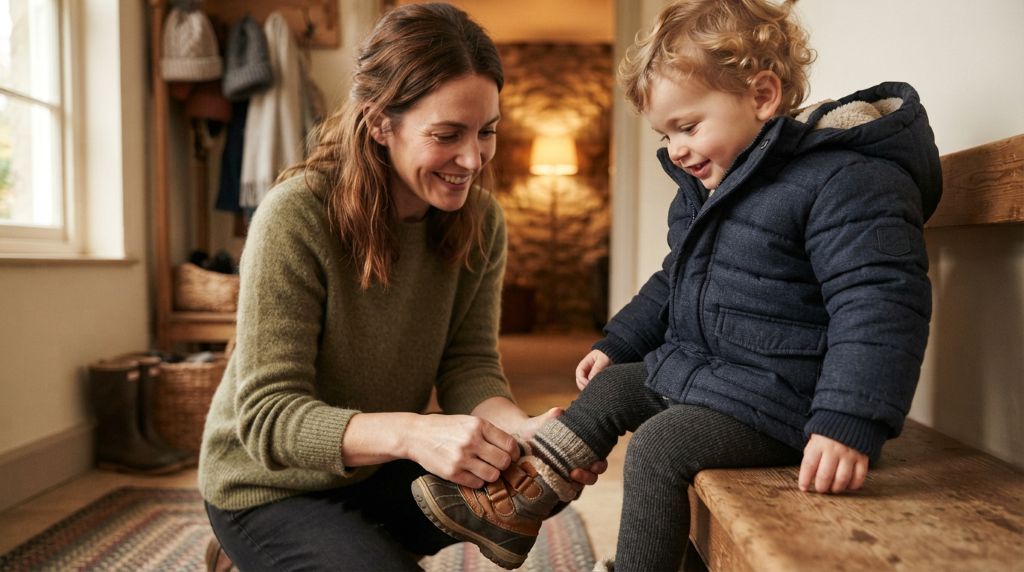
Winter mornings can be tricky when you have a toddler. One minute they are warm and cozy, the next they are fussing because they are too hot or too cold. As a parent, I have learned that dressing a toddler for winter is not just about piling on clothes. It is about finding the right balance between warmth and comfort. I remember a particularly cold morning when I dressed my daughter in what I thought were enough layers. Within minutes of stepping outside, she was crying and pulling at her jacket. It turned out she was overheating. That day taught me the importance of understanding how to dress a toddler according to the temperature.
This guide will help you navigate the challenges of winter dressing. You will learn how to keep your little one safe, warm, and happy, no matter how cold it gets.
Why Dressing Toddlers Correctly in Winter Matters
Toddlers cannot regulate their body temperature as effectively as adults. This makes them more vulnerable to cold-related illnesses such as hypothermia and frostbite. According to the American Academy of Pediatrics, children lose heat more quickly than adults. They also produce less heat through shivering. Therefore, keeping them properly dressed in winter is crucial for their health and safety.
Overheating is another risk that many parents overlook. Toddlers can overheat quickly if they are dressed in too many layers. This can lead to discomfort, dehydration, and even heat rash. I once made the mistake of bundling my son in too many clothes for a short walk. By the time we returned home, he was red-faced, sweaty, and clearly uncomfortable. That experience taught me to pay close attention to how my child feels, not just how cold it is outside.
Additionally, proper winter dressing ensures that your toddler can enjoy outdoor playtime. Fresh air and physical activity are important for their development. However, if they are not dressed appropriately, they may refuse to go outside at all. Therefore, finding the right balance is key to keeping them active and healthy during the winter months.
Understanding Temperature Ranges for Toddler Clothing
Winter temperatures can vary greatly depending on where you live. Understanding how to dress your toddler for different temperature ranges will help you keep them comfortable. For temperatures between 50°F and 60°F, a light jacket or sweater is usually sufficient. Add a hat if it is windy or your toddler tends to get cold easily. This range is mild enough that you do not need heavy winter gear, but a light layer can prevent chills.
When the temperature drops to between 40°F and 50°F, you should add more layers. A warm jacket, long-sleeve shirt, and pants are a good start. Do not forget a hat and gloves, as extremities can get cold quickly. I often use a fleece-lined jacket for my toddler in this temperature range. It provides enough warmth without being too bulky.
For colder days between 30°F and 40°F, it is time to break out the heavier winter coat. A waterproof or windproof outer layer is ideal. Add a hat, gloves, and warm socks. If your toddler will be playing in the snow, consider snow pants as well. I remember a snowy day when my daughter insisted on playing outside. Her snow pants kept her dry and warm, allowing her to enjoy the snow without getting cold.
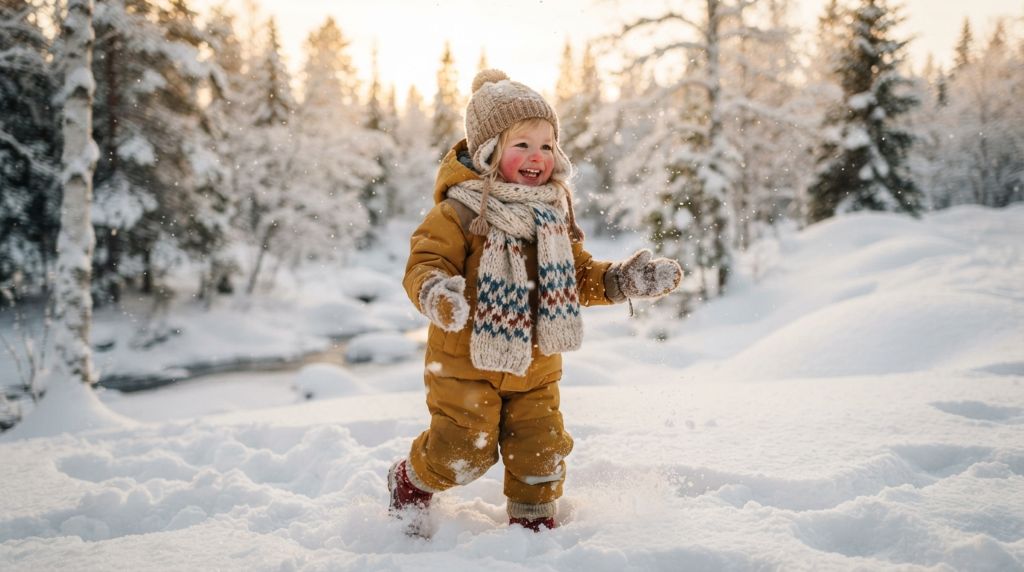
Temperatures below 30°F require the most protection. In addition to a heavy coat, snow pants, hat, and gloves, consider adding a scarf or neck gaiter. Waterproof boots are a must to keep feet dry. If the wind chill is extreme, limit outdoor time to avoid frostbite. According to the National Weather Service, frostbite can occur on exposed skin in as little as 30 minutes in very cold and windy conditions.
The Layering System Explained
Layering is the best way to dress your toddler for winter. It allows you to add or remove clothing as needed to keep them comfortable. The layering system consists of three main layers: the base layer, the middle layer, and the outer layer. Each layer serves a specific purpose.
The base layer is the one closest to the skin. Its job is to wick moisture away from the body. Cotton is not a good choice for a base layer because it holds moisture. Instead, opt for synthetic materials or merino wool. These fabrics keep your toddler dry and warm. I always dress my son in a merino wool base layer on cold days. It is soft, breathable, and keeps him comfortable.
The middle layer provides insulation. This layer traps heat to keep your toddler warm. Fleece, wool, or down are excellent choices for the middle layer. A fleece jacket or sweater works well for most winter days. If it is very cold, you can add an extra middle layer, such as a vest or another sweater. However, be careful not to overdo it. Toddlers can overheat quickly, so it is important to monitor their comfort.
The outer layer protects against wind, rain, and snow. A waterproof and windproof jacket is ideal for this layer. It should be roomy enough to fit over the middle layer without restricting movement. Additionally, look for a jacket with a hood to protect against wind and rain. I learned the importance of a good outer layer when my daughter came home soaked after playing in the snow. A waterproof jacket would have kept her dry and warm.
Must-Have Winter Accessories for Toddlers
Accessories are just as important as clothing when it comes to keeping your toddler warm in winter. A hat is essential, as a significant amount of body heat is lost through the head. Choose a hat that covers the ears for added protection. Mittens are better than gloves for toddlers because they keep the fingers together, providing more warmth. Look for waterproof mittens if your toddler will be playing in the snow.
Boots are another important accessory. They should be waterproof to keep feet dry in snow and slush. Insulated boots provide extra warmth for very cold days. Make sure the boots are easy to put on and take off, as toddlers can be impatient when getting dressed. I always opt for boots with Velcro straps for my toddler. They are quick to fasten and keep her feet snug.
A scarf or neck gaiter can protect your toddler’s neck and face from cold winds. If your toddler refuses to wear a scarf, a neck gaiter is a good alternative. It stays in place better and is less likely to get lost. Finally, do not forget warm socks. Wool or thermal socks are ideal for cold weather. Make sure they fit well inside the boots without being too tight.
I also recommend keeping a few extras on hand. A backup hat and pair of mittens can be a lifesaver if the first pair gets lost or wet. Additionally, a small blanket in the stroller or car can provide extra warmth when needed. These small items can make a big difference in keeping your toddler comfortable during winter outings.
Signs Your Toddler is Too Cold or Too Hot
It can be difficult to tell if your toddler is too cold or too hot, especially if they cannot communicate it clearly. However, there are signs you can look for. If your toddler is too cold, their skin may feel cold to the touch, especially on their hands, feet, or face. They may also shiver, have pale or blotchy skin, or seem unusually quiet or sluggish. In extreme cases, they may show signs of hypothermia, such as confusion or drowsiness.
On the other hand, if your toddler is too hot, their skin may feel warm or sweaty. They may have a red face, seem fussy or irritable, or complain of being uncomfortable. Overheating can also cause rapid breathing or a fast heartbeat. I once noticed my son’s face was bright red and he was pulling at his jacket. These were clear signs he was too warm, and I knew it was time to remove a layer.
The best way to check your toddler’s temperature is to feel their chest or back. If their skin feels warm and dry, they are likely comfortable. If it feels cold or clammy, they may need more layers. Additionally, pay attention to their behavior. A happy, active toddler is usually a comfortable one. However, if they seem unusually quiet or fussy, it may be a sign that they are not dressed appropriately for the weather.
Frequently Asked Questions
How many layers should my toddler wear in 40°F weather?
In 40°F weather, your toddler should wear a base layer, a middle layer such as a fleece jacket, and a light outer layer. Add a hat and gloves for extra warmth.
What fabric is best for a base layer?
Synthetic materials or merino wool are the best choices for a base layer. They wick moisture away from the skin, keeping your toddler dry and warm.
How can I tell if my toddler is too cold?
Check their skin temperature, especially on their hands, feet, or face. Cold skin, shivering, or unusual quietness can be signs they are too cold.
Can I use a blanket in the stroller for extra warmth?
Yes, a small blanket can provide extra warmth in the stroller. However, make sure it does not cover your toddler’s face or restrict their breathing.
Is it safe to dress my toddler in a coat in a car seat?
No, it is not safe to dress your toddler in a thick coat in a car seat. The coat can compress in a crash, leaving extra space in the harness. Instead, dress them in thin layers and use a car seat cover or blanket for warmth.
Conclusion
Dressing your toddler for winter does not have to be complicated. By understanding temperature ranges, using the layering system, and paying attention to their comfort, you can keep them warm and safe. Remember, the key is to find the right balance between warmth and comfort. Too many layers can cause overheating, while too few can lead to cold-related illnesses.
As a parent, I have learned that every toddler is different. What works for one child may not work for another. Therefore, it is important to pay attention to your child’s cues and adjust their clothing as needed. It is also helpful to keep winter essentials organized when you are away from home, and how to use a mini diaper bag for everyday errands can make it easier to carry extra layers, socks, and other necessities. With a little practice, you will become an expert at dressing your toddler for winter.
