


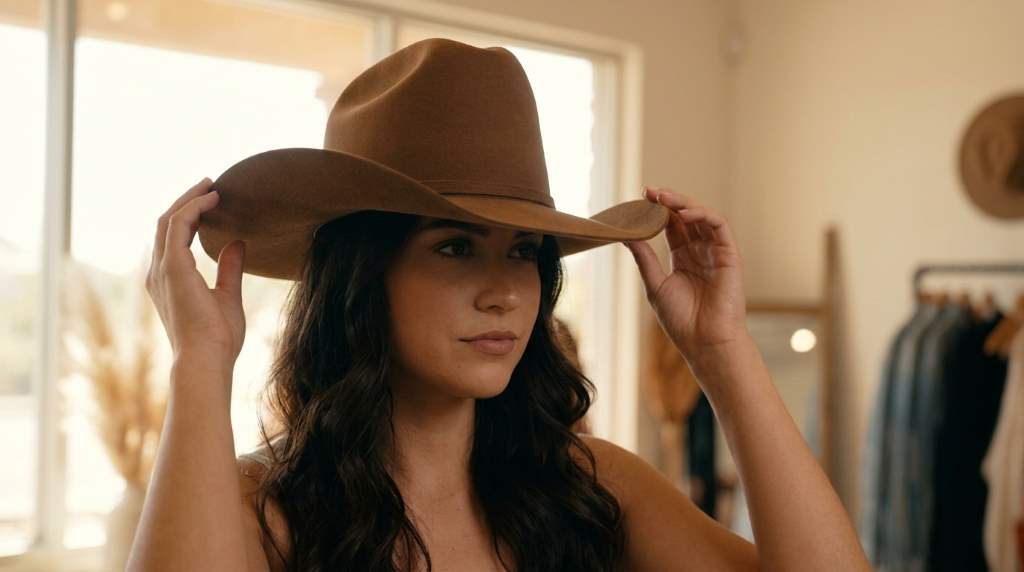
Western hats remain a timeless fashion choice across Arizona, especially in Phoenix, where style and practicality often go hand in hand. According to industry reports, hat sales continue to grow as consumers seek accessories that blend function with personal expression. Many shoppers also research details such as mens and womens western hat differences before making a purchase. However, experienced buyers know that appearance alone does not guarantee satisfaction. The right fit plays a critical role in comfort, confidence, and long-term wear.
Why Western Hat Fit Matters More Than Most Shoppers Realize
A western hat serves more than a decorative purpose. It protects the face from harsh sunlight while adding character to an outfit. However, an improper fit can create discomfort within minutes. As a result, shoppers in Phoenix often prioritize fit before selecting colors or materials.
Many first-time buyers focus heavily on crown shape and brim width. Yet sizing mistakes often lead to headaches, slipping, or pressure points. Consequently, even premium hats can become difficult to wear. A well-fitted hat feels secure without squeezing the head.
Local fashion enthusiasts understand that Phoenix weather creates unique challenges. High temperatures can increase perspiration throughout the day. Therefore, hats that fit too tightly often become uncomfortable faster. Proper sizing allows better airflow and overall comfort.
The Impact of Phoenix’s Climate on Hat Selection
Phoenix experiences intense sunshine for much of the year. Because of this, western hats serve an important protective function beyond style. Residents frequently spend time outdoors for work, events, and recreation. A correctly fitted hat stays in place without constant adjustment.
Heat expansion represents an overlooked factor among many shoppers. During hot afternoons, slight swelling around the head can occur naturally. Therefore, a hat that feels perfect indoors may become restrictive outside. Experienced buyers account for these seasonal conditions when choosing sizes.
Dust and dry air also affect daily comfort. Hats that move excessively can allow dust to irritate the forehead and scalp. In contrast, a secure fit reduces unnecessary friction. This small detail significantly improves long-term wearability.
Common Signs of the Wrong Western Hat Fit
When a Hat Is Too Tight
A tight western hat often creates noticeable pressure around the temples. Some wearers experience headaches after extended use. Furthermore, visible marks may appear on the forehead. These warning signs indicate the need for a larger size.
Tight hats can also restrict airflow around the scalp. As temperatures rise in Phoenix, this becomes increasingly uncomfortable. Consequently, wearers may avoid using the hat altogether. A stylish accessory loses value if it remains in the closet.
When a Hat Is Too Loose
Loose hats create a different set of problems. Strong desert winds can easily shift the hat out of position. Moreover, frequent adjustments become frustrating throughout the day. A secure fit eliminates these distractions.
Excessive movement may also damage the hat over time. Continuous shifting causes unnecessary stress on interior sweatbands. Therefore, proper sizing supports both comfort and durability. Shoppers who invest in quality hats usually understand this advantage.
The Unique Psychology Behind Western Hat Confidence
One topic rarely discussed in fashion blogs involves behavioral confidence. Many people instinctively touch or adjust accessories that feel unstable. This habit can subtly affect posture and self-assurance. A properly fitted western hat removes that concern.
Fashion psychologists often note that physical comfort influences social confidence. When accessories fit correctly, people focus less on appearance concerns. As a result, they engage more naturally in conversations and events. Western hats demonstrate this effect particularly well.
Phoenix hosts rodeos, festivals, outdoor markets, and community gatherings throughout the year. During these events, comfortable attire supports a more relaxed experience. Therefore, shoppers frequently prioritize fit before purchasing. The decision goes beyond simple fashion preferences.
How Experienced Phoenix Shoppers Evaluate Hat Fit
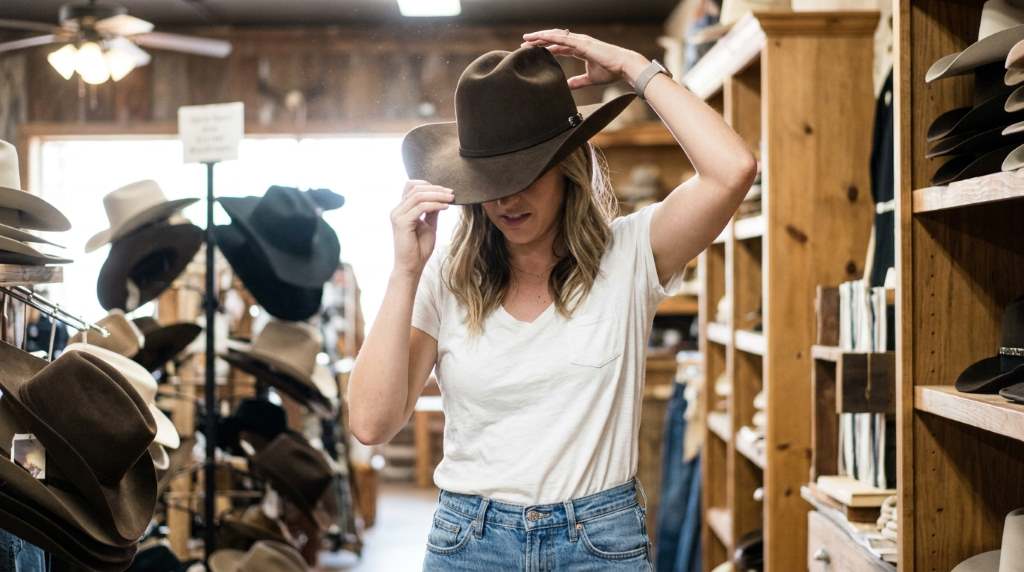
Knowledgeable buyers rarely rush the fitting process. Instead, they wear a hat for several minutes before making a decision. This approach reveals pressure points that may not appear immediately. Patience often prevents costly mistakes.
Many shoppers also perform movement tests while trying on hats. They bend forward, turn their heads, and walk naturally. Consequently, they can determine whether the hat remains stable. These practical evaluations provide valuable insight.
Professional stylists recommend checking fit at multiple times of the day. Morning and afternoon comfort levels can differ significantly. Therefore, a brief fitting session may not provide complete information. Careful testing produces better results.
Balancing Style and Function in Western Fashion
Modern western fashion includes diverse outfit combinations. Some people pair hats with traditional denim looks. Others combine western accessories with contemporary clothing. Regardless of styling choices, fit remains a top priority.
Fashion versatility continues to influence purchasing decisions. For example, individuals exploring style a satin maxi dress trends may also incorporate western hats for a distinctive look. However, the hat still needs to fit properly to complete the appearance. Comfort and aesthetics work together.
Accessories contribute significantly to outfit balance. Similarly, shoppers interested in choose accessories romantic vintage styling often discover that fit affects visual presentation. A hat that sits correctly enhances overall proportions. Small details frequently create the biggest impact.
Practical Tips for Choosing the Right Western Hat Fit
- Measure your head accurately before shopping.
- Try multiple brands because sizing can vary.
- Wear the hat for several minutes before deciding.
- Consider seasonal temperature changes.
- Check stability during normal movement.
- Avoid choosing a size based only on appearance.
These simple practices help eliminate common fitting errors. Moreover, they increase the likelihood of long-term satisfaction. Most experienced shoppers follow similar steps before purchasing. The process requires only a small investment of time.
How Materials Affect Fit Over Time
Different materials respond differently to wear and climate. Felt hats may gradually adapt to the wearer’s head shape. Meanwhile, straw hats often maintain a more consistent structure. Understanding these characteristics supports better buying decisions.
Phoenix’s heat can accelerate changes in certain materials. Therefore, shoppers often consider long-term fit rather than first impressions alone. A slightly firm hat may soften over time. Material knowledge helps set realistic expectations.
Quality sweatbands also influence comfort. Better interior construction improves stability and moisture management. Consequently, the hat feels more comfortable during extended outdoor use. This feature deserves attention during the selection process.
Avoiding Fashion Mistakes That Affect Hat Fit
Many people purchase hats primarily based on trends. While style matters, fit should remain the foundation of every decision. Otherwise, even fashionable designs may become impractical. Comfort consistently supports long-term satisfaction.
Some shoppers also ignore outfit proportions when selecting western hats. Those exploring style outfits not too tight often recognize the importance of balance. A properly fitted hat contributes to overall harmony. Every element works together to create a polished appearance.
Another common mistake involves purchasing online without measurements. Although online shopping offers convenience, accurate sizing remains essential. Therefore, buyers should verify measurements carefully before ordering. This precaution reduces the likelihood of returns.
Why Fit Influences Hat Longevity
A properly fitted western hat generally lasts longer. Reduced movement minimizes internal wear and structural stress. Consequently, the hat maintains its appearance over time. Durability often begins with correct sizing.
Loose hats frequently require constant reshaping and adjustment. Tight hats may experience excessive strain around specific areas. Both situations can shorten product lifespan. Proper fit protects the investment.
Many Phoenix shoppers view western hats as long-term wardrobe pieces. Therefore, they evaluate quality and fit with equal attention. This balanced approach often leads to greater satisfaction. Smart purchasing decisions provide lasting value.
Conclusion
Phoenix fashion shoppers avoid the wrong western hat fit because comfort, confidence, durability, and style all depend on proper sizing. The city’s hot climate makes fit even more important for daily wear. By understanding material behavior, testing stability, and accounting for local weather conditions, shoppers can make better purchasing decisions. If you plan to add a western hat to your wardrobe, take the time to find the perfect fit and enjoy both fashion and function for years to come.
FAQs
How should a western hat feel when worn?
A western hat should feel secure and comfortable without creating pressure points.
Can Phoenix heat affect hat fit?
Yes, high temperatures can make tight hats feel more restrictive during wear.
How do I know if my hat is too loose?
If it shifts easily during movement or wind, it is likely too loose.
Should I buy a western hat online?
Yes, but always measure your head accurately before placing an order.
Do different hat materials fit differently over time?
Yes, some materials soften and adapt while others maintain their original shape.
